Modified Cart Diagnostics
Why Is My Modified Golf Cart Jerking or Losing Power?
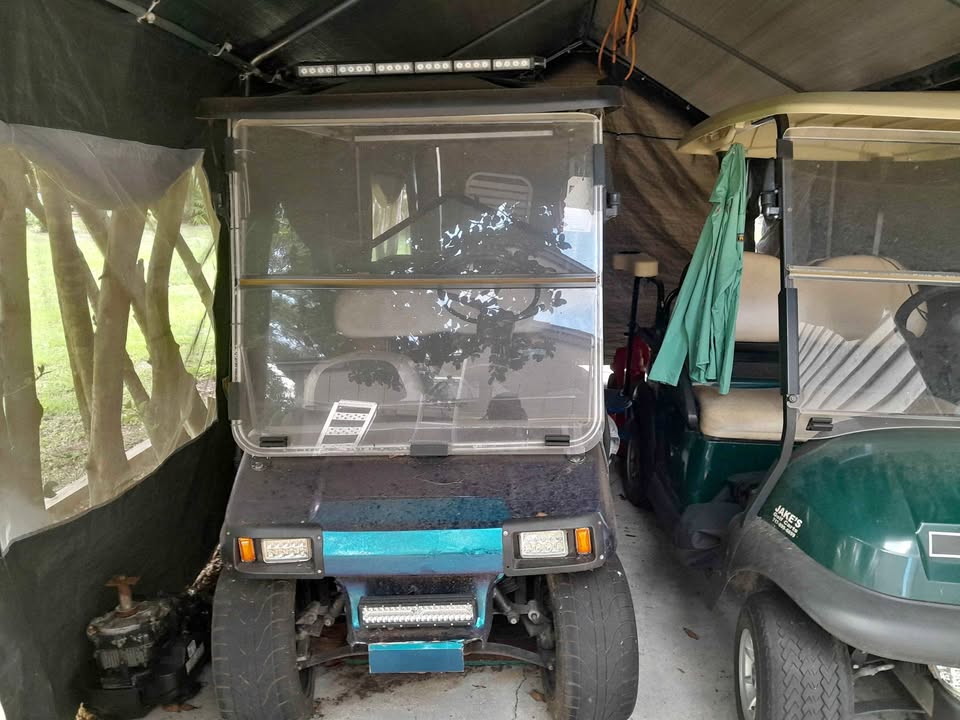
A modified golf cart that jerks or loses power should be evaluated as a complete system. The symptom may involve battery voltage under load, loose or undersized cables, controller settings, motor compatibility, a failing connection, throttle input, oversized tires, gearing, brakes or accessory demand. Replacing the motor first is not a reliable diagnosis, especially when several components have been changed from the original configuration.
Stop driving if the cart surges unpredictably, loses power in traffic, smells hot, sparks, shows damaged wiring or has uncertain braking or steering. Record the modification history and arrange diagnosis. The general golf cart problem guide covers common warning signs; this article focuses on the extra compatibility questions created by modified carts.
How the battery, controller and motor work together
| System area | What can change after modification | What the technician needs to confirm |
|---|---|---|
| Battery pack | Voltage, chemistry, capacity, protection limits and voltage drop | Pack specifications, charger match and performance under load |
| Cables and connections | Current demand may exceed weak, loose or unsuitable wiring | Cable size, routing, terminal condition, heat and voltage loss |
| Controller | Programming and current limits affect motor response | Model, ratings, settings, fault information and compatibility |
| Motor | A replacement motor may require different control or gearing | Motor model, intended voltage, controller match and installation |
| Throttle and direction inputs | Switches, sensors or calibration may behave intermittently | Input signal and model-specific adjustment |
| Tires, lift and drivetrain | Larger tires and added weight increase load | Tire size, lift, gearing, brakes, bearings and mechanical drag |
| Accessories | Lights, sound systems and other devices add demand | Reducer capacity, circuit protection and total connected load |
Why jerking does not automatically mean a bad motor
A motor problem can cause poor performance, but jerking can also result from unstable power, a loose connection, controller behavior, throttle input or mechanical drag. The conditions surrounding the symptom help determine the test order. Note whether it happens from a stop, at one speed, on hills, after warming up, with passengers, after charging or only when accessories are operating.
If the cart was modified recently, gather invoices, part numbers, controller settings and the original configuration if known. A body badge does not confirm which motor, controller or battery system is currently installed. Testing should compare the installed components with each other's ratings rather than relying only on the cart's model year.
What owners should document before service
- Cart make, model, year and serial information.
- Battery chemistry, voltage, capacity, charger and conversion date.
- Controller and motor brands, models, ratings and programming changes.
- Lift height, tire size, passenger seating and other added weight.
- Accessories connected to the main pack or a voltage reducer.
- When the symptom began and whether it followed a specific modification.
- Whether the cart can roll, steer and brake safely for transport.
Safe photos of labels, the battery compartment and visible wiring can help identify what is installed. Do not remove high-current covers, touch exposed terminals or attempt to reproduce a dangerous symptom for a video.
Repair timing and quote decisions
A written recommendation may identify one limited repair, several prerequisite corrections or a compatibility problem that changes the value of further work. Review the cart's brakes, steering, tires, battery condition and overall modification quality along with the immediate symptom. The owner can then compare the proposed scope with the cart's use and condition.
If the battery system is part of the mismatch, review assessed options for a golf cart lithium conversion in Sarasota. A conversion is not automatically the answer to jerking or power loss; the motor, controller, cables, charger and accessories still need to be compatible with the selected system.
SureCart's Signature Service provides shop diagnosis and a safety check, with parts and repair labor quoted separately. For planned upgrades rather than an unknown fault, the customization process begins with compatibility review and a written quote.
Frequently Asked Questions
Does jerking mean the controller is bad?
Not necessarily. The controller is one possible cause, but battery voltage, cables, throttle input, motor compatibility and mechanical load can create similar behavior.
Can oversized tires cause power loss?
Larger tires can increase the load on the motor and controller and change acceleration and braking behavior. They may contribute, but the complete cart still needs inspection.
Should I replace the motor with a more powerful one?
Not before diagnosis. A different motor must be compatible with the controller, battery system, drivetrain and intended use. More power can also increase heat and braking demands.
Can a lithium conversion fix a modified cart that loses power?
Only if diagnosis shows the current battery system is part of the problem and the replacement is compatible with the rest of the cart. A new battery does not repair unsafe wiring, incorrect controller settings or mechanical faults.