Batteries & Diagnostics
Why Does My Lithium Golf Cart Keep Cutting Out?
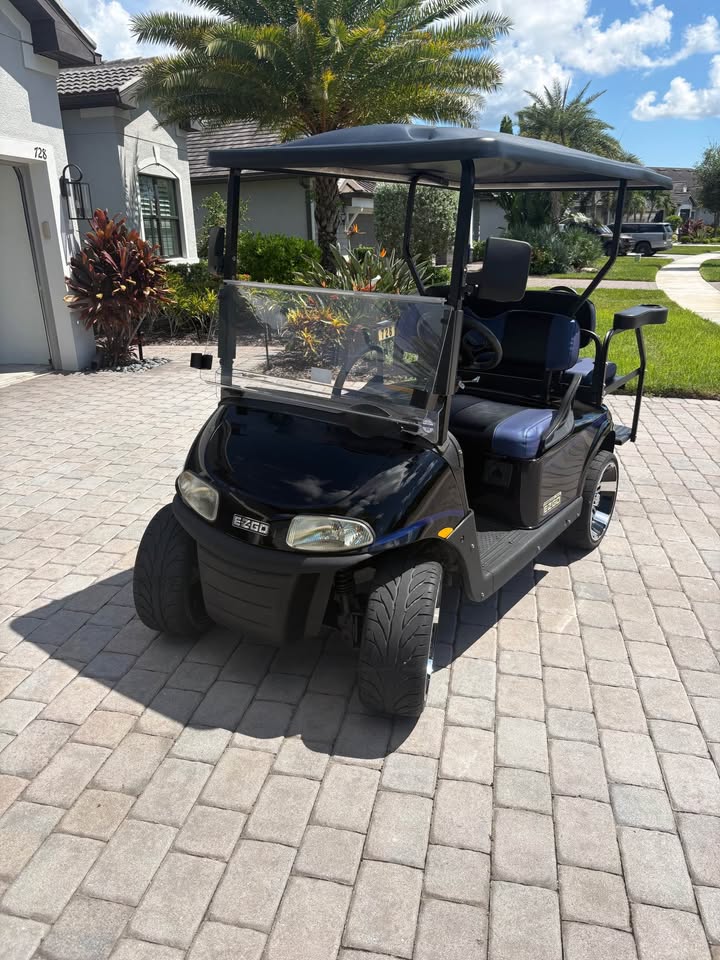
A lithium golf cart that keeps cutting out needs diagnosis before anyone assumes the battery must be repaired or replaced. An intermittent shutdown can involve the battery-management system, a loose high-current connection, charger or pack compatibility, accessory demand, heat, the controller, the motor, or the display that reports battery level. A changing gauge reading is useful evidence, but it is not a confirmed diagnosis by itself.
Stop driving if the cart loses power in traffic, becomes unusually hot, smells electrical, shows damaged wiring, or restarts unpredictably. Record when the shutdown happens and arrange a proper inspection rather than repeatedly cycling the key or bypassing a protection. Sarasota owners considering a complete upgrade can compare assessed packages and installation details on the golf cart lithium conversion in Sarasota page.
Why a lithium cart can shut down intermittently
Lithium systems are designed to protect the battery when operating conditions move outside approved limits. Depending on the pack, the battery-management system may interrupt output because of low voltage, excessive current, temperature, cell imbalance, or another detected condition. That protection can feel like a failed battery, but the condition that triggered it may be elsewhere in the cart.
A loose cable or overheated connection can also create voltage loss under load. The cart may appear normal while parked, then cut out during acceleration, on a hill, or with several accessories operating. Controller or motor demand can produce a similar pattern. This is why a parked voltage reading alone cannot identify the failed component.
Changing battery readings do not tell the whole story
Battery displays estimate remaining charge in different ways. A reading can move when the pack is placed under load and then recover after the cart stops. An incorrect display setting, communication issue, loose connection, or a pack that is not matched to the cart can make the reading less useful. Record the display before, during, and after the symptom, but do not use one changing number as proof that the cells are defective.
Symptom-and-next-step guide
| What the owner notices | What a technician may need to check | Safe next step |
|---|---|---|
| Cuts out during acceleration or on hills | Pack output under load, connections, controller demand, motor load and protection history | Stop repeated testing and document the exact conditions |
| Gauge falls suddenly, then recovers | Display setup, pack communication, voltage under load and connection resistance | Photograph the reading and note whether the cart also loses drive power |
| Shuts down after accessories are used | Accessory wiring, converter capacity, total current demand and fuse protection | Turn off nonessential accessories and arrange inspection |
| Pack, cables or controller feel unusually hot | Loose or damaged high-current connections, excessive load and component condition | Stop using and charging the cart until it is inspected |
| Problem began after a battery conversion or repair | Pack, charger, wiring, controller and display compatibility | Gather the written scope and installed-component details |
What to send before requesting diagnosis
Useful information can shorten the path to a meaningful test. Share the cart make, model and year if known; the lithium pack brand, model, voltage and capacity; charger model; controller or motor changes; accessories; dashboard messages; and the conditions that trigger the shutdown. Include clear photographs of labels and the battery compartment without touching exposed terminals.
- State whether the cart restarts immediately or only after waiting.
- Note whether the symptom occurs at a certain charge level.
- Describe passenger load, hills, tire size and accessories in use.
- Report recent battery, charger, controller, motor or wiring work.
- Do not clear fault information before recording it when the manufacturer provides a safe way to view it.
Diagnosis, repair or replacement?
The correct path depends on test results. A damaged connection may require a smaller repair. A charger, display, controller or accessory circuit may need correction while the battery remains usable. A pack problem may require manufacturer-guided service or replacement. In other cases, the cart and current pack may not be a suitable match.
SureCart's paid Signature Service provides shop diagnosis and a safety check, with parts and repairs quoted separately. Review the diagnosis and transport options before booking. If the existing system is unsuitable and an upgrade is being considered, the lithium conversion page explains the compatibility review, installed packages and written-quote process.
Frequently Asked Questions
Does cutting out mean my lithium battery is bad?
No. The battery may be involved, but intermittent loss can also come from connections, accessory wiring, the controller, motor load, heat, charger compatibility or a protective shutdown. Testing is needed before replacing parts.
Why does the battery reading change when I accelerate?
Electrical load can change the voltage or estimated state-of-charge reading. The amount of change and whether drive power is lost matter. A technician may need to compare display information with pack behavior under load.
Can I reset the battery and keep driving?
A reset that restores power does not explain why protection activated. If the shutdown repeats, occurs in traffic or is accompanied by heat, odor or damaged wiring, stop using the cart and arrange diagnosis.
Should I replace the battery, controller or motor first?
Do not choose a component first. Record the symptom and test the system as a whole so the written recommendation is based on the cart's actual configuration.