Golf Cart Guides
Who Makes Racka Golf Carts
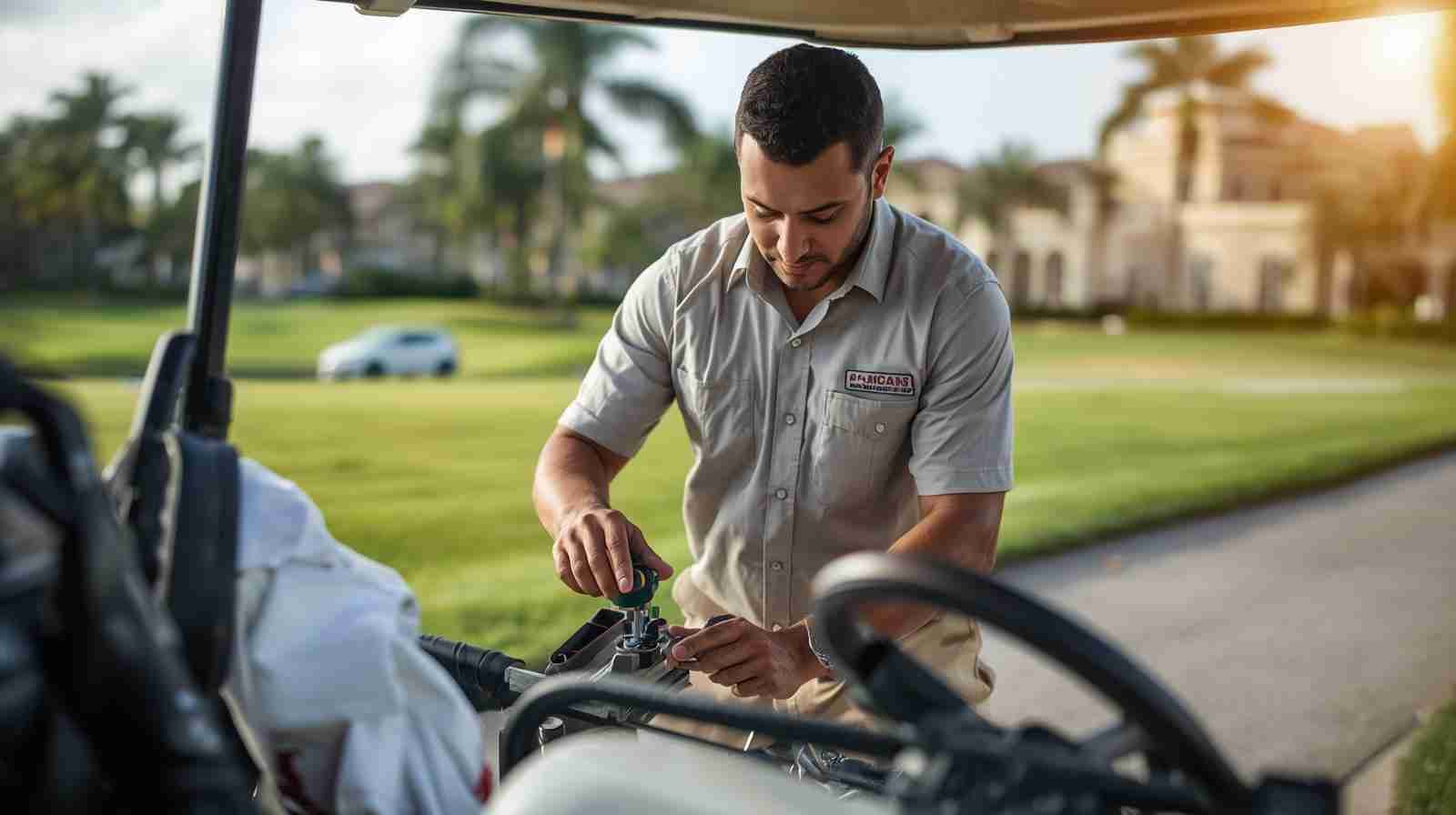
When people ask who makes racka golf carts, the most accurate answer from the public information reviewed is that Racka markets and sells the carts under its own brand, while the underlying factory or OEM manufacturer is not clearly disclosed. Racka presents itself as a Texas based company operated by Champion Motorsports Group, and its product pages identify models such as the RGC1. That means the brand is public, but the actual manufacturer behind the build is not clearly named in the sources reviewed.
For buyers, that distinction matters. A brand name tells you who is selling the cart and how it is positioned, but it does not always tell you where the cart is assembled, who supplies the drivetrain, or which company handles parts support. If you are comparing Racka to other new or used carts, it is smart to verify the battery type, motor package, controller, charger, warranty terms, and service access before you commit to a purchase.
What Racka appears to be based on public information
A brand name with a Texas identity
Racka publicly describes itself as a Texas based brand, and its company information points to Mesquite, Texas. On the materials reviewed, Racka is presented as the company name customers see on the cart and on the product pages. That suggests the carts are being marketed as Racka products rather than as rebranded units with a clearly stated outside OEM attached to the listing.
In practical terms, that means a shopper looking at Racka is usually dealing with a consumer facing brand. The website and retail listings help identify the model family, but they do not clearly explain whether a separate manufacturing partner builds the carts behind the scenes. If a seller cannot clearly state the factory source, it is reasonable to ask for more documentation before buying.
Models are identified, but factory details are limited
Racka product pages identify current models such as the RGC1. That is useful because it shows the brand is actively selling named configurations, not just a generic listing. However, naming the model is not the same as identifying the manufacturer.
Common details buyers may want to confirm include:
- Battery chemistry and capacity
- Motor type and rated power
- Controller brand and software features
- Charger type and charging requirements
- Street legal equipment, if applicable in your area
- Parts availability and service support
Those details can affect performance, maintenance, and long term ownership costs more than the brand badge alone.
Third party retailers sell Racka branded carts
Racka branded golf carts also appear on third party retail platforms, including Tractor Supply. A retailer listing can confirm that the brand is being sold in the marketplace, but it may not reveal any additional manufacturing detail. Retail listings often focus on the product being sold rather than the supply chain behind it.
That is why the best public answer remains cautious: Racka is the brand, and the underlying OEM or factory is not clearly identified in the sources reviewed. If you need to know the exact builder for repair compatibility, resale expectations, or warranty paperwork, ask the seller for written clarification.
Comparison: A branded cart can be easy to shop for because the name, trim, and features are packaged together, but a clearly identified OEM may make it easier to research replacement parts, service manuals, and long term support. Neither approach is automatically better, but the level of transparency can matter a lot.
Why this matters to Florida buyers
In Southwest Florida, buyers often care about service access, parts lead times, battery care in heat, and whether a cart can be maintained by a local shop. If a brand does not clearly disclose its factory source, that does not automatically make it a bad choice. It simply means the buyer should be more deliberate about support questions.
For example, if you plan to use a cart around Sarasota or Bradenton, it is wise to ask who can service the specific battery system, controller, steering parts, and brake components if something fails. If you need local assistance, a service resource such as golf cart service bradenton fl can help you think through the maintenance side before you buy or after you own the cart.
What buyers should verify before choosing a Racka cart
Key ownership questions to ask
Because the exact manufacturer is not clearly disclosed in the sources reviewed, it is smart to ask a seller for specifics in writing. The questions below can help you compare Racka with other carts on the market:
- Who manufactures the cart chassis and drivetrain?
- Are battery, charger, and controller brands listed on the spec sheet?
- What parts are covered under warranty, and for how long?
- Where are replacement parts sourced from?
- Is the cart set up for street use only where allowed by local law?
- Does the seller provide a service network or only remote support?
Answers to these questions can be more valuable than marketing language. They help you evaluate whether the cart fits your use case and your service expectations.
Battery and electrical system checks
For any golf cart, battery and electrical details deserve special attention. If Racka carts use lithium power, lead acid batteries, or a mixed component setup, you should confirm the exact specification before purchase. Battery type affects charging habits, range, weight, cold and hot weather behavior, and maintenance needs.
Important points to verify include:
- Battery chemistry and voltage
- Battery management system details, if lithium
- Charger compatibility
- Service procedure for fault codes or shutdowns
- Whether any electrical modifications could void coverage
Electrical troubleshooting should always follow manufacturer instructions. Avoid bypassing protective devices, disabling sensors, or changing controller settings unless a qualified technician is working from approved specifications.
Speed, lift, and drivetrain considerations
Many buyers are drawn to golf carts because they want a specific ride height, speed profile, or driving feel. Those features may be influenced by the motor, controller, gearing, tire size, and any lift kit installed. If a Racka cart is being marketed with upgraded speed or lifted stance, ask how those changes were engineered and whether they affect warranty or legal compliance.
Do not assume that a faster cart is automatically better. Higher speed can increase stopping distance, wear on components, and safety risk, especially if the cart will be used on public roads where local rules may limit speed and equipment. The safest approach is to stay within manufacturer guidance and applicable laws.
| Buyer concern | Why it matters | What to verify |
|---|---|---|
| Manufacturer identity | Helps with parts research and support | Written OEM or factory disclosure |
| Battery system | Affects range, charging, and maintenance | Chemistry, voltage, charger, and care instructions |
| Controller and motor | Influences performance and diagnostics | Brand, model, and service documentation |
| Street legality | Rules vary by location and equipment | Local laws, lighting, mirrors, seat belts, and registration needs |
| Service access | Impacts long term ownership convenience | Parts sourcing and local repair options |
How to compare Racka with other carts
If you are cross shopping brands, compare more than the badge on the bodywork. Look at the entire package, including range estimates, component transparency, dealer support, and maintenance practicality. The common golf cart problems guide can also help you understand issues that frequently show up across many cart brands, regardless of the logo.
A useful comparison framework is simple:
- Confirm what the brand publicly discloses.
- Identify the major components and their makers.
- Ask about warranty coverage and exclusions.
- Check whether a local shop can service the cart.
- Review legal use requirements if you plan to drive on roads.
This approach keeps the decision grounded in facts rather than marketing.
Frequently Asked Questions
Is Racka the manufacturer or just the brand?
Based on the sources reviewed, Racka is best described as the brand name used to market and sell the carts. The materials do not clearly identify a separate factory or OEM manufacturer, so the exact builder is not publicly clear from the reviewed sources.
Where is Racka based?
Racka presents itself as a Texas based company, and the public materials reviewed reference Mesquite, Texas. That supports the idea that the brand is centered in Texas, even though the underlying manufacturing relationship is not clearly explained.
Does Tractor Supply sell Racka golf carts?
Yes, Racka branded products appear on a Tractor Supply listing. That confirms the brand is available through at least one third party retailer, but it does not clarify the original factory source.
How can I tell who made a specific Racka cart?
Ask the seller for the model specification sheet, component labels, and warranty documents. If a cart has a hidden manufacturer relationship, those records may reveal the motor, controller, battery, or assembly origin. If the seller cannot provide that information, treat the cart as a branded product with limited factory transparency.
Should I be concerned if the manufacturer is not disclosed?
Not necessarily, but you should be cautious. Limited disclosure is not the same as a defect. It simply means you should verify support, parts, battery details, and service options before buying. That is especially important if you plan to use the cart frequently or rely on it for road use where allowed.