Golf Cart Guides
Who Makes Denago Golf Carts
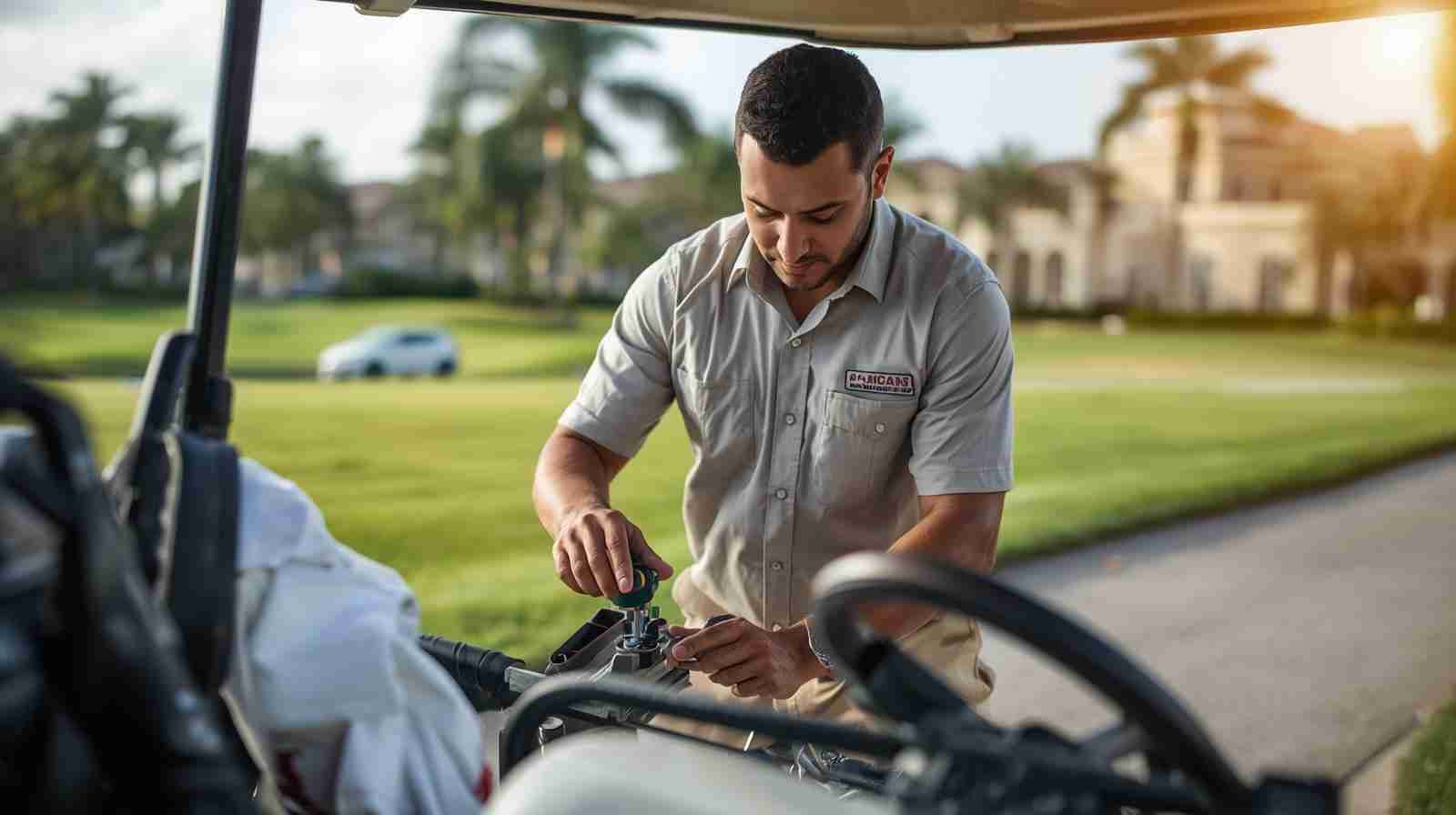
If you are asking who makes denago golf carts, the short answer is Denago EV. Public manufacturer records identify the company as Denago EV Corporation, and Denago’s own brand materials present Denago EV as the company behind its electric golf carts and low speed vehicles. That said, the exact manufacturing, assembly, and sourcing details can vary by model and model year, so the best way to confirm a specific cart is to review the VIN label, compliance label, and owner’s manual for that unit.
For buyers in Southwest Florida, that distinction matters. A cart may carry the Denago name, but the exact origin of parts, assembly location, and compliance details can differ across the product line. If you are comparing models, shopping used, or trying to match replacement parts, the safest approach is to verify the information printed on the vehicle itself and to work with a qualified professional for electrical or drivetrain service. If you are also troubleshooting a cart that is acting up, this guide to common golf cart problems can help you narrow down symptoms before you schedule repairs. For local support, some owners also look for golf cart service port charlotte fl when they need hands-on diagnosis.
Who Makes Denago Golf Carts?
Denago golf carts are made by Denago EV, which is the brand and manufacturer name most closely associated with the vehicles sold under the Denago label. In public manufacturer listings, the company appears as Denago EV Corporation. On Denago’s own website, the brand is marketed as a U.S. based electric vehicle company that offers golf carts and LSVs.
That answer is straightforward for general shoppers, but there is an important nuance. In the powersports and golf cart market, a brand name does not always tell the whole story about where a vehicle was assembled or where every component came from. Some brands use global supply chains, outside assembly partners, or changing production arrangements over time. So if you are asking not just about the badge on the cart but about the exact factory history of a specific unit, you should verify the serial number and compliance data on that exact vehicle.
In practical terms, here is what most buyers should know:
- Brand and manufacturer: Denago EV is the company name most commonly tied to Denago golf carts.
- Model level details: Assembly and sourcing can differ by model, year, and trim.
- Verification matters: The VIN label, compliance label, and owner’s manual are the best sources for a specific cart.
- Used cart caution: A used vehicle may have missing paperwork, replaced parts, or modified accessories that change how it should be identified.
If you are shopping or servicing a cart in Florida, do not rely only on online listings or seller descriptions. The vehicle itself should be the final reference point. This is especially true for battery systems, controllers, chargers, and speed settings, where incorrect assumptions can lead to safety issues or expensive mistakes.
What the manufacturer name can tell you
The manufacturer name tells you who stands behind the brand identity and compliance paperwork. It helps with registration questions, ordering parts, checking recalls, and finding owner documentation. If the cart is titled or registered as a low speed vehicle, the manufacturer line can also matter for local compliance and insurance questions, depending on how the vehicle is used and where it is operated.
It does not, however, tell you everything about how the cart was built. For example, two carts with the same brand name may use different batteries, controllers, or drive components depending on the trim package. That is why the model label and serial number should be part of any serious buying decision.
Why the exact unit matters
Owners often want one simple answer, but golf carts are not always that simple. A vehicle sold under the same brand can have different:
- Battery configurations
- Controller programming
- Top speed settings
- Motor types
- Charging equipment
- Accessory wiring
Those differences can affect performance, maintenance, and repair costs. If you are dealing with a battery issue or considering upgrades, it is best to follow the manufacturer instructions for that exact model and to use a professional when work involves high current electrical components.
Comparison: A brand name like Denago tells you who the cart is sold under, while the VIN label and compliance label tell you how that specific cart is identified for legal and service purposes. Both matter, but they answer different questions.
What to Check on a Denago Cart Before You Buy or Service It
Whether you are evaluating a new cart or inspecting a used one, take a few minutes to confirm the details before you spend money on parts or service. This is especially useful if you are deciding between models or trying to figure out whether a cart is street legal in your area. Laws vary by state, county, and municipality, so any LSV or road use question should be checked against local rules, not assumptions.
Use the table below as a quick reference for the most important items to verify.
| What to check | Why it matters | Where to find it |
|---|---|---|
| Manufacturer name | Confirms the brand and compliance identity | VIN label, paperwork, title, or owner’s manual |
| Model and year | Helps match parts and service procedures | Vehicle label, serial plate, sales documents |
| Battery type | Affects range, charging, and maintenance | Under seat, battery compartment, manual |
| Controller and motor setup | Impacts speed, torque, and diagnostics | Service label or manufacturer documentation |
| Compliance status | Important for road use and registration questions | Compliance label and local regulations |
Inspect the VIN and compliance labels first
The VIN or serial label is one of the most useful identification tools on any golf cart or LSV. It can help you confirm the manufacturer, model class, and sometimes the production year. The compliance label can show whether the vehicle was built to meet certain low speed vehicle standards, but that does not automatically mean you can drive it everywhere on public roads. Local law determines where it can be used.
If a cart has been modified, repainted, or repaired, labels can be damaged or removed. In that case, do not guess. Contact the seller, check the manual, and consult the manufacturer or a service professional before ordering major parts or making electrical changes.
Check the battery system before making assumptions
Battery setups can differ between models and years, and that changes the way the cart charges, stores power, and performs under load. Some carts use different battery chemistries or different voltage configurations depending on the trim. Never bypass safety devices, modify charging equipment, or alter battery wiring unless the manufacturer instructions specifically allow it and a qualified technician is handling the work.
If you notice weak acceleration, slow charging, or reduced range, those symptoms may relate to batteries, the charger, the controller, or even tire pressure and mechanical drag. Diagnosing the problem correctly is better than replacing parts at random.
Be careful with speed, governor, and controller questions
Many owners are curious about speed changes, but any discussion of governors, controller settings, or speed limiters should start with safety and manufacturer guidance. Do not remove safety protections or exceed legal speed limits. On some carts, performance changes can affect braking distance, stability, and compliance status. If you need service on the controller or drivetrain, professional diagnosis is the safest route.
For that reason, it is better to focus on restoring proper factory operation than on chasing maximum speed. If the cart feels underpowered, a technician can inspect the batteries, wiring, motor, controller, and mechanical components in a way that protects both the vehicle and the rider.
Compare new and used carts carefully
A new Denago cart usually comes with clearer documentation, but a used cart may have upgrades or replacements that change its service profile. Always ask whether the cart has ever had battery replacement, controller work, lift kit installation, wheel changes, or accessory wiring. Even if those upgrades were done well, they can affect ride quality, range, and future maintenance needs.
When you compare models, keep the decision practical. Think about where you will drive, how often you will charge, and whether you need a cart for neighborhood use, property use, or golf course travel. A cart that looks similar on the outside may behave very differently once loaded with passengers or driven on rough surfaces.
Frequently Asked Questions
Is Denago the actual manufacturer of Denago golf carts?
Yes. Denago EV is the name most directly tied to Denago golf carts, and public manufacturer records identify Denago EV Corporation as the manufacturer. For a specific vehicle, always confirm the information on the VIN label and owner’s manual.
Are Denago golf carts made in the United States?
Denago markets itself as a U.S. based company, but manufacturing and sourcing details can vary by model and over time. A brand may be based in one place while using a broader supply chain. If origin matters for your purchase, verify the exact unit and paperwork.
How do I confirm the manufacturer on a used Denago cart?
Look for the VIN label, compliance label, and any owner documentation that came with the cart. If those are missing or unclear, ask the seller for the original paperwork and compare the information with the vehicle identification number. A qualified technician or dealer can also help interpret the labels.
Does the manufacturer name affect repairs and parts?
Yes, it can. Knowing the exact manufacturer and model helps match batteries, chargers, controllers, motors, brakes, and accessories. This is especially important on carts that have been modified or repaired with non original parts.
Can I change performance settings on a Denago cart myself?
It is safest to follow the manufacturer’s instructions and use a professional for controller or drivetrain work. Avoid bypassing safety equipment or trying to exceed legal limits. Performance changes can affect braking, stability, and compliance, so they should be approached carefully and lawfully.
For most shoppers, the answer to who makes denago golf carts is simple: Denago EV. The important next step is verifying the exact vehicle you are looking at, especially if you plan to buy used, register the cart, or service batteries and electronics. The more closely you match the model label to the paperwork and physical labels, the fewer surprises you are likely to run into later. That careful approach is especially useful in Southwest Florida, where owners often use carts in neighborhoods, communities, and golf settings that may have different rules and expectations.