Buying & Ownership
Where Can I Buy a Used Golf Cart
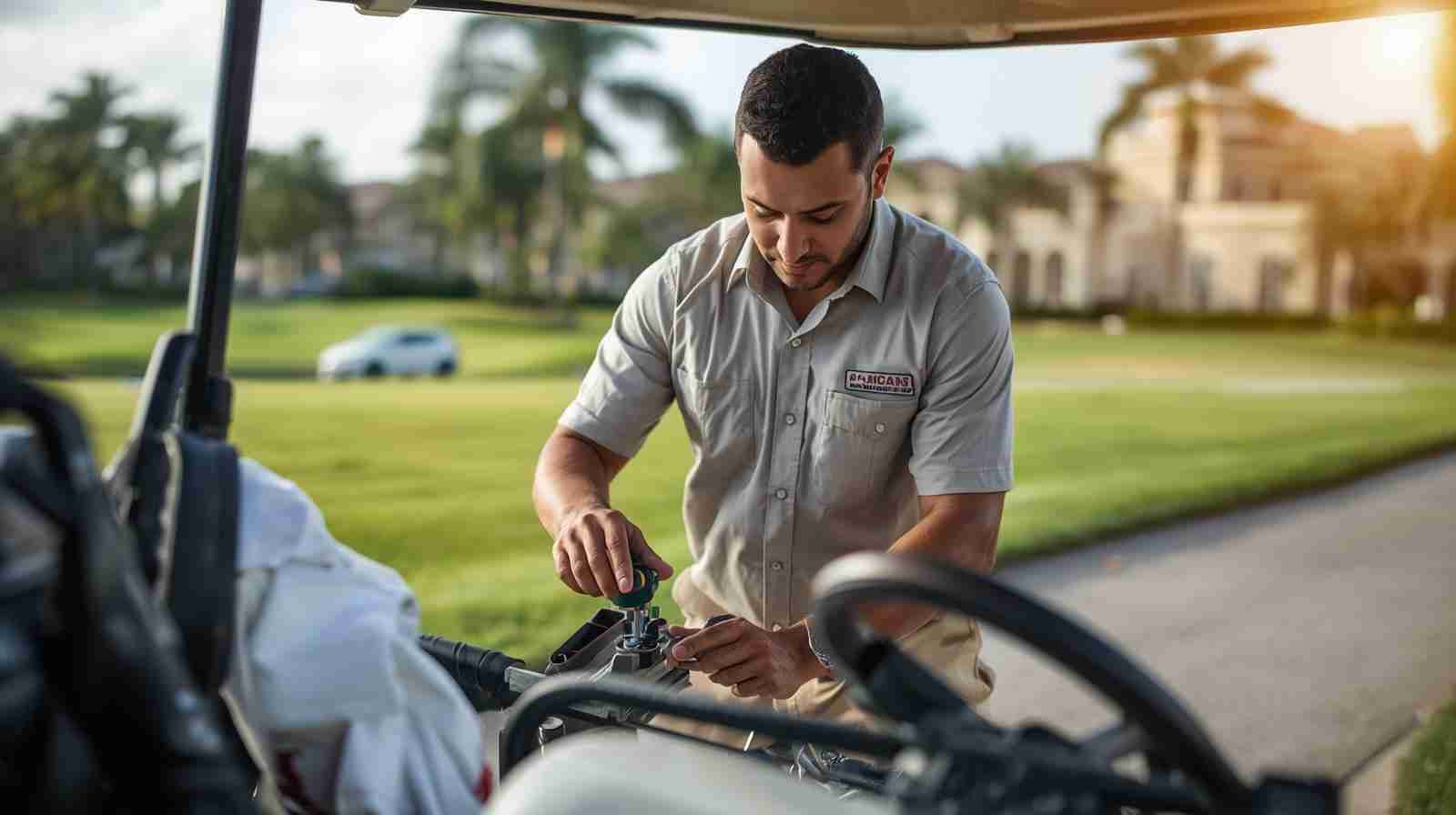
If you are asking where can i buy a used golf cart, the short answer is that you can look at local golf cart dealers, specialty cart shops, private sellers, and online local listings. In the Sarasota, Bradenton, Lakewood Ranch, Venice, Englewood, and North Port area, the safest approach is usually to compare a few local sellers, confirm the cart’s condition in person, and verify paperwork before you pay. Used inventory changes quickly, so call ahead and ask specific questions about the model, battery type, age, and any service history.
Best places to look for a used golf cart
There is no single best place for everyone. The right option depends on whether you want more selection, more convenience, or more control over price. In Southwest Florida, buyers often start with local dealers that handle used or refurbished carts, then compare those options with private listings.
Local golf cart dealers
Local dealers are often the most straightforward place to begin because they may inspect, recondition, or prepare carts for resale. Some dealers in the Sarasota area say they sell used golf carts and serve nearby communities such as Sarasota, Bradenton, Lakewood Ranch, Venice, Englewood, and North Port. Dealer inventory can change daily, so it is smart to ask what is actually available before visiting.
Examples of local dealer types to check include stores that advertise used or refurbished carts, custom cart dealerships with current inventory, and shops that offer appointment-based sales. If you also need service after the purchase, it can help to choose a nearby shop that can inspect or maintain the cart later. For buyers in South Florida who want ongoing support, a local service provider like golf cart repair north port fl may be useful for maintenance questions after the sale.
Private sellers and local listings
Private sellers can sometimes offer lower prices than dealers, especially for older carts or carts needing minor work. Common places to find private listings include local classifieds, marketplace apps, neighborhood groups, and community bulletin boards. Private sales can be a good fit if you know how to inspect a cart and are comfortable verifying details yourself.
Be careful with private listings because condition can vary widely. A cart may look clean in photos but still need batteries, tires, cables, seats, chargers, or controller work. Make sure you inspect it in person whenever possible.
Online marketplace listings
Online marketplaces can help you compare many carts quickly, but they also require more caution. Listings may not be current, and some sellers use generic descriptions that leave out important details. If you use online listings, focus on the exact model, battery age, charger type, and whether the cart is gas or electric.
Used cart search pages from local businesses
Some local businesses maintain pages specifically for used golf carts or dealer inventory. These can be helpful if you want to see a range of models before driving around town. Because stock can move fast, contact the seller before you travel to confirm the cart is still available and to ask whether it has been serviced or reconditioned.
| Where to buy | Main advantage | Main caution | Best for |
|---|---|---|---|
| Local dealer | Usually easier to inspect and compare inventory in person | Prices may be higher than private sale | Buyers who want a simpler process |
| Private seller | Potentially lower asking price | Condition and paperwork can vary widely | Buyers who can inspect carefully |
| Online marketplace | Wide selection and fast comparison shopping | Listings may be outdated or incomplete | Shoppers comparing several options |
| Used inventory page from a local shop | May show current dealer stock and options | Availability can change quickly | Buyers focused on nearby inventory |
Comparison: A dealer is often the better choice if you want a smoother purchase process and easier follow-up service, while a private seller can be better if your goal is a lower asking price. The tradeoff is that private sales usually require more inspection, more paperwork review, and more caution about condition.
What to ask before you visit
Before making the trip, ask these questions so you do not waste time on the wrong cart:
- Is the cart gas or electric?
- What year is the cart, or what model generation is it?
- Are the batteries included, and how old are they?
- Does it come with a charger, and is it the correct charger for that battery system?
- Has it been serviced or reconditioned recently?
- Is there a title, bill of sale, registration document, or other proof of ownership if needed?
- Is the cart street legal in the area where you plan to use it?
If you are still researching common repair issues after a purchase, this guide on common golf cart problems can help you understand what signs to watch for during an inspection.
How to inspect a used golf cart before buying
A used cart can be a solid value, but only if it is checked carefully. The biggest mistake buyers make is focusing on paint, seats, or accessories while ignoring the parts that cost real money to repair. Inspect the cart in daylight if possible, take a short test drive, and do not rush the process.
Exterior and frame check
Look for cracks, corrosion, bent components, poor repairs, or signs of impact damage. Inspect the roof supports, floorboards, hinges, body panels, and the undercarriage. Rust or corrosion can be a warning sign, especially if the cart has been stored outdoors or driven in wet conditions.
Batteries and electrical system
If the cart is electric, batteries are one of the most important costs to evaluate. Ask how old the batteries are, whether they hold a charge, and whether the charger is included. Check the battery tray for corrosion and water damage. If you see heavy corrosion, swelling, leaking, or mismatched batteries, proceed carefully.
Because battery systems can be expensive and safety sensitive, follow the manufacturer’s recommendations and use a qualified technician when needed. Do not bypass safety devices, alter charging systems, or make wiring changes unless the work is done correctly and safely. If you are unsure about electrical condition, have it inspected before purchase.
Test drive and handling
Drive the cart on flat ground and, if possible, on a small incline. Listen for unusual noises from the motor, axle, suspension, or brakes. Check steering feel, acceleration, braking, and whether the cart pulls to one side. A cart that hesitates, surges, or vibrates may need service.
Tires, wheels, and suspension
Inspect tire tread depth, sidewall cracks, and even wear. Uneven wear may point to alignment or suspension issues. Check whether the cart sits level and whether the ride feels stable. Lift kits and oversized tires can change handling, braking distance, and service needs, so make sure any modifications were installed properly.
Paperwork and legal use
Before buying, confirm ownership documents and ask how the cart is legally used in your area. Florida rules can vary by municipality and by where you plan to drive the cart. A cart that is acceptable on one street or in one community may not be acceptable elsewhere. If the seller says the cart is street legal, verify what equipment it has and whether that matches local requirements.
- Check for a clear bill of sale or ownership record.
- Ask whether the cart has headlights, taillights, turn signals, mirrors, seat belts, and other required equipment where applicable.
- Confirm whether you need registration or other local compliance steps.
- Verify neighborhood, HOA, city, and county rules before use.
Why prices vary so much
Used golf cart prices can change based on brand, age, battery condition, lift kits, seating, tires, enclosures, charger type, and whether the cart has been reconditioned. Seasonal demand can also affect pricing in Southwest Florida. A cart that looks similar on the surface may cost much more if it has newer batteries, better components, or fewer service needs.
Frequently Asked Questions
Is it better to buy a used golf cart from a dealer or a private seller?
It depends on your comfort level. Dealers often make it easier to compare carts and may offer more help with inspection or follow-up service. Private sellers may have lower asking prices, but you take on more of the inspection and paperwork risk yourself.
How do I know if a used golf cart battery is still good?
Ask the seller for the battery age, charging history, and recent service records if available. During inspection, look for corrosion, swelling, leaks, or uneven performance. A professional inspection is often the safest way to judge battery condition, especially for older electric carts.
Can I buy a used golf cart and drive it on the street right away?
Not always. Street use depends on the cart’s equipment and local rules. Even if a seller says a cart is street legal, you should verify the equipment and confirm local requirements before driving it on public roads.
What should I bring when I go to inspect a used cart?
Bring a checklist, a phone flashlight, and a way to take notes or photos. If you are comparing several carts, bring a list of must-have features such as battery type, seating capacity, and desired condition. If possible, bring someone who knows carts or arrange a professional inspection.
What is the biggest mistake people make when buying a used golf cart?
The biggest mistake is focusing on appearance instead of condition. Fresh paint, new seats, or upgraded accessories can hide worn batteries, electrical problems, bad tires, or poor maintenance. A careful inspection is more important than cosmetic upgrades.