Care & Cleaning
How to Wash a Golf Cart
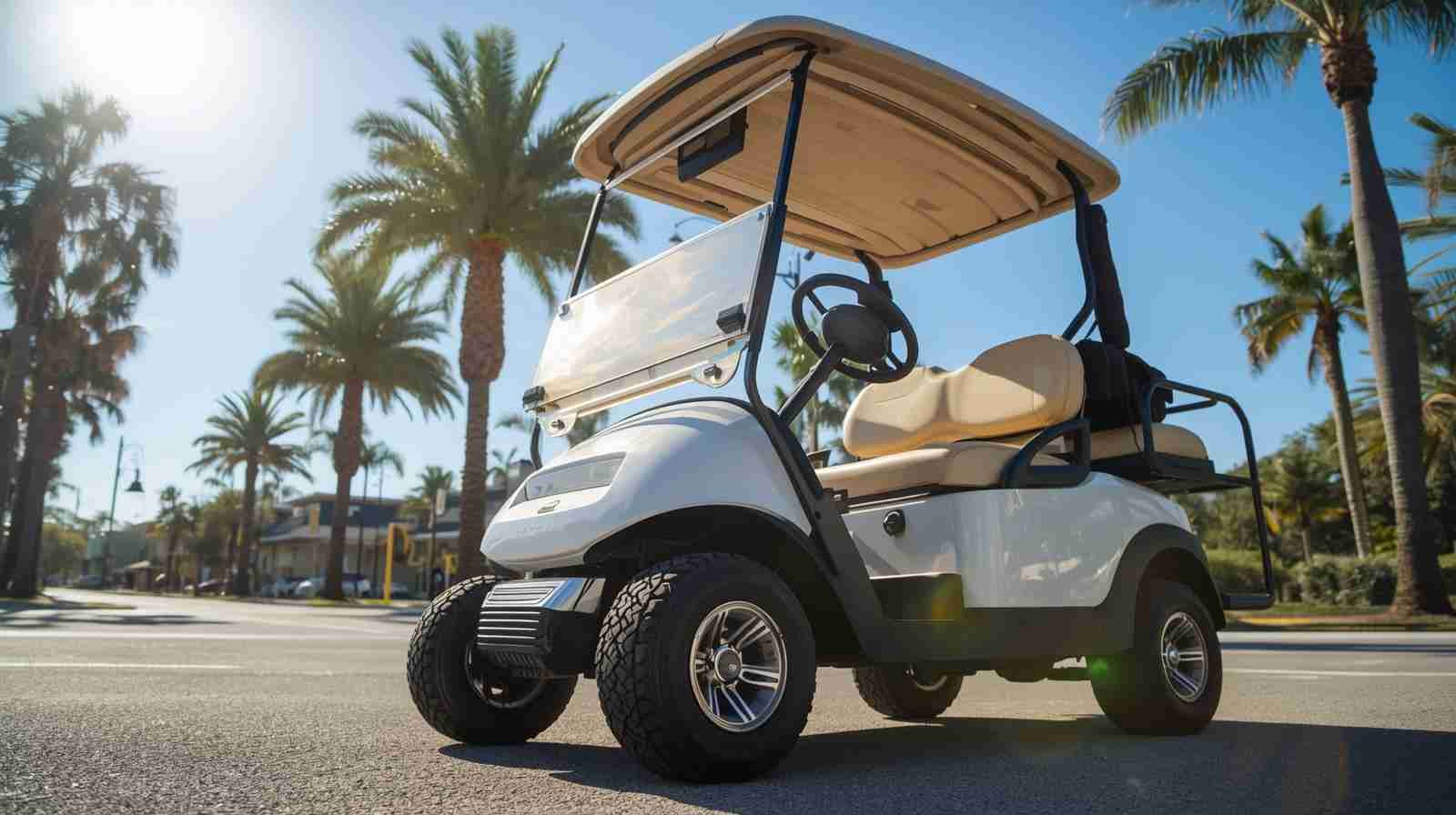
If you want to know how to wash a golf cart, the safest answer is to use a gentle rinse, mild soap, and careful drying, while keeping water away from batteries, controllers, wiring, and other electrical parts. A proper wash helps protect the finish, reduce buildup, and make it easier to spot maintenance issues before they become bigger problems.
The exact process can vary by cart model, finish, battery type, and owner’s manual instructions, so it is smart to use the manufacturer’s care guidance whenever it is available. If your cart has custom seats, lifted components, or battery modifications, take extra time to protect sensitive areas. For broader upkeep tips, you can also clean a golf cart safely after you finish this guide.
Before You Wash: Set Up the Right Cleaning Routine
Choose the right location and timing
Start in a shaded, cool area whenever possible. Direct sun can dry soap too quickly, which may leave spots and streaks on the body panels. Washing in the shade also gives you more time to work section by section, which is helpful if the cart has a large roof, extended body panels, or accessories that trap dirt.
Before you begin, park the cart on level ground and set it in a stable position. If the cart is electric, make sure it is turned off. If the cart uses removable keys or a power switch, confirm it is fully shut down before cleaning around the battery compartment or underbody. Keep children and pets away while hoses, buckets, and cleaning products are out.
Gather simple tools and gentle products
You do not need aggressive cleaners to wash a cart well. In most cases, a bucket, soft microfiber mitts, a hose with light spray, mild soap, soft brushes, and clean drying towels are enough. Harsh detergents can strip protective finishes or dull plastic parts, and strong abrasives can scratch paint, clear coat, vinyl, or tinted surfaces.
It helps to separate your supplies into two groups: one for the body and one for dirty undercarriage or wheel areas. That reduces the chance of dragging grit across the cart’s finish. If your cart has special upholstery or upgraded wheels, use products approved for those materials whenever possible.
Protect sensitive components before the first rinse
This is the most important part of how to wash a golf cart safely. Use a gentle rinse and avoid pressure washing the vehicle, especially around electrical components and battery areas. High-pressure spray can force water into connectors, controls, chargers, displays, or sealed areas that are not meant to be flooded.
Before cleaning the battery compartment, make sure battery vent caps are tightly in place and keep water away from controllers, wiring, and other electronics. If you are working with lead-acid batteries, follow the battery manufacturer’s instructions for maintenance and cleaning. Do not flood the battery compartment with water, even if corrosion is visible. If you are unsure about your battery type or compartment layout, check the manual before starting.
For added caution, look for after-market lighting, speakers, USB ports, or lift kits that may have exposed wiring. These parts may need to be covered or cleaned separately according to their own instructions. If you notice damaged insulation, loose connectors, or corrosion around terminals, stop and have the issue inspected by a qualified technician.
Table: Basic wash supplies and where to use them
| Item | Best use | Safety note |
|---|---|---|
| Soft microfiber mitt | Body panels, roof, dash, seats | Use a clean mitt to avoid scratching paint or vinyl |
| Mild car wash soap | General exterior cleaning | Avoid strong degreasers unless the manufacturer approves them |
| Low pressure hose spray | Rinsing loose dirt | Do not use high pressure near batteries or wiring |
| Soft brush | Wheels, tires, textured trim | Keep away from delicate painted surfaces if bristles are stiff |
| Drying towel | Final wipe-down | Use a clean, absorbent towel to reduce water spots |
Comparison: gentle wash methods versus aggressive cleaning
Comparison: A gentle wash with mild soap is usually the safer choice for golf carts because it helps protect finishes, upholstery, batteries, and electronics. A high-pressure or heavy chemical approach may remove dirt faster in the short term, but it can increase the risk of water intrusion, finish damage, and unnecessary wear on sensitive parts.
That does not mean you have to be overly cautious to the point of ineffective cleaning. It just means a controlled, patient approach is better than trying to blast grime away. The extra few minutes spent washing carefully often prevent expensive problems later.
Step-by-Step: How to Wash a Golf Cart Without Damaging It
1. Rinse loose dirt first
Begin with a light rinse to remove dust, grass clippings, sand, and loose road grime. Work from the top down so dirty water moves downward instead of re-depositing soil on areas you already cleaned. A gentle stream helps loosen buildup without forcing water into seams or openings.
If the cart is especially dirty, let the rinse soak for a minute or two before washing. This softens dried mud and reduces the chance of scrubbing too hard. Avoid directing spray straight into vents, battery compartments, switches, charging ports, speakers, or dashboard openings.
2. Wash the roof, windshield, and upper surfaces
Use mild soap mixed according to the product label. Wash the roof first, then the windshield, body panels, and front cowl. This order keeps dirty runoff from falling onto already-clean areas. Rinse your mitt frequently so grit does not scratch the finish.
For clear plastic or acrylic windshields, use a gentle touch. Hard rubbing can cause haze or fine scratches. If you have a folding windshield, clean the hinges and seals carefully so grime does not build up in moving parts. On carts with decals or wraps, use a soft mitt and avoid harsh chemicals that could affect the graphics.
3. Clean the seats, dash, and trim
Most golf cart interiors are made from vinyl, plastic, or textured synthetic materials that clean well with mild soap and a damp cloth. Wipe the dash, cup holders, steering wheel, and trim pieces without soaking switch panels or accessory ports. If a dashboard has audio equipment or added electronics, use minimal moisture and keep water away from openings.
For seats, use short, gentle strokes. Do not scrub aggressively, especially on stitched seams or soft upholstery. If you have detachable seat cushions, follow the manufacturer’s instructions for removal and drying. Some materials may require special cleaners, so always test new products in a small hidden area first.
4. Treat wheels, tires, and lower panels separately
Wheels and tires often hold the dirtiest buildup, including brake dust, mud, and road film. Clean them after you finish the upper body, using a separate mitt or brush. That helps prevent grime from spreading to clean paint or upholstery.
Lower body panels and the undercarriage may need more attention if the cart is used on sandy paths, golf course turf, or wet roads. Still, the goal is to clean without blasting. If debris is packed around the suspension or drivetrain, use light rinsing and hand cleaning. If you see unusual buildup near moving parts, consider having it checked during routine service.
5. Clean the battery area carefully
Battery cleaning deserves special care. If your cart uses lead-acid batteries, inspect for corrosion around terminals and follow the battery manufacturer’s instructions. Clean corrosion carefully and never flood the compartment with water. Keep battery vent caps tightly in place and avoid letting liquid run into electrical connections or control modules.
For lithium batteries, the cleaning process may be different depending on the battery design and housing. Some packs are sealed more completely than lead-acid setups, but that does not mean they should be soaked. The safest approach is still to keep water out of electrical spaces and use only the amount of moisture needed for cleaning. If a battery compartment looks crowded or modified, take extra care around all cables and mounting hardware.
If corrosion is heavy, if terminals look damaged, or if you are not certain whether residue is safe to clean yourself, it is better to stop and get professional help. Cleaning around energized electrical systems always requires caution and the right procedure for your specific cart.
6. Dry everything thoroughly
Dry the cart thoroughly after washing to reduce water spots and help protect electrical parts. Use clean microfiber towels for the body, roof, trim, and seats. Blotting works better than rough wiping on delicate surfaces. Pay attention to seams, under-seat areas, cup holders, hinges, and edges around lights and switches where water can hide.
If possible, let the cart air-dry in the shade after the main towel dry. This helps evaporate hidden moisture without baking it into the finish. Do not hurry the process with strong heat unless the manufacturer allows it. Quick heat can sometimes damage plastics, decals, or upholstery.
7. Finish with a quick inspection
Once the cart is clean and dry, walk around it and look for loose trim, worn weather seals, exposed wires, cracked plastic, and leaking battery residue. Washing is a good time to notice small problems before they become bigger repairs. Check under the seat, around the charging area, and near the wheel wells for moisture that may need extra drying.
If you spot anything that does not look right, do not ignore it. Water can reveal weak points that were already developing. A little inspection now can help you avoid more serious electrical or mechanical issues later. If a problem seems beyond basic upkeep, a trained technician can inspect it safely.
Helpful habits that make every wash easier
- Wash more often, instead of letting dirt harden for weeks.
- Use separate towels for the body, wheels, and battery area.
- Keep the soap gentle and rinse it off completely.
- Dry seams, vents, and hidden corners by hand.
- Follow the owner’s manual for any model-specific cleaning steps.
These habits are simple, but they make a noticeable difference in how the cart looks and how long components last. If your cart sees heavy use around sand, irrigation runoff, or humid coastal air, regular cleaning may be especially helpful.
Some owners also ask when to get help instead of washing the cart themselves. If you are dealing with stubborn corrosion, electrical faults, damaged charging parts, or a cart that has been modified with aftermarket accessories, you may want a professional inspection. For service questions in your area, see golf cart repair lakewood ranch.
Frequently Asked Questions
Can I use a pressure washer on a golf cart?
It is generally better to avoid pressure washing a golf cart, especially around battery compartments, controllers, wiring, switches, and charging areas. High pressure can force water into places that are difficult to dry and may damage electrical components. A low-pressure rinse is the safer choice for most carts.
What soap should I use to wash a golf cart?
A mild soap or gentle car wash solution is usually the best option. Strong detergents, abrasive cleaners, and harsh degreasers can dull finishes or damage upholstery and plastics. If your cart has specialty materials or a custom wrap, check the manufacturer’s care instructions before using any product.
How do I clean golf cart batteries safely?
Start by turning the cart off and following the battery manufacturer’s guidance. For lead-acid batteries, clean corrosion carefully, keep vent caps tightly in place, and do not flood the compartment with water. Keep moisture away from controllers, wiring, and other electronics. If you are unsure about the battery type or see serious corrosion, stop and get help.
Should I wash my golf cart in the sun or shade?
Shade is usually better because it helps prevent soap from drying too quickly and leaving spots. A cool, shaded area also gives you more time to clean and rinse carefully. If shade is not available, work in smaller sections so soap does not sit on the surface too long.
How often should I wash a golf cart?
The right schedule depends on where and how the cart is used. Carts driven on sandy, wet, or dusty routes may need more frequent washing than carts used only occasionally on clean pavement. A good rule is to wash whenever dirt, salt, pollen, or grime starts to build up enough to affect appearance or maintenance checks.