Repairs & Performance
How to Take Governor Off Golf Cart
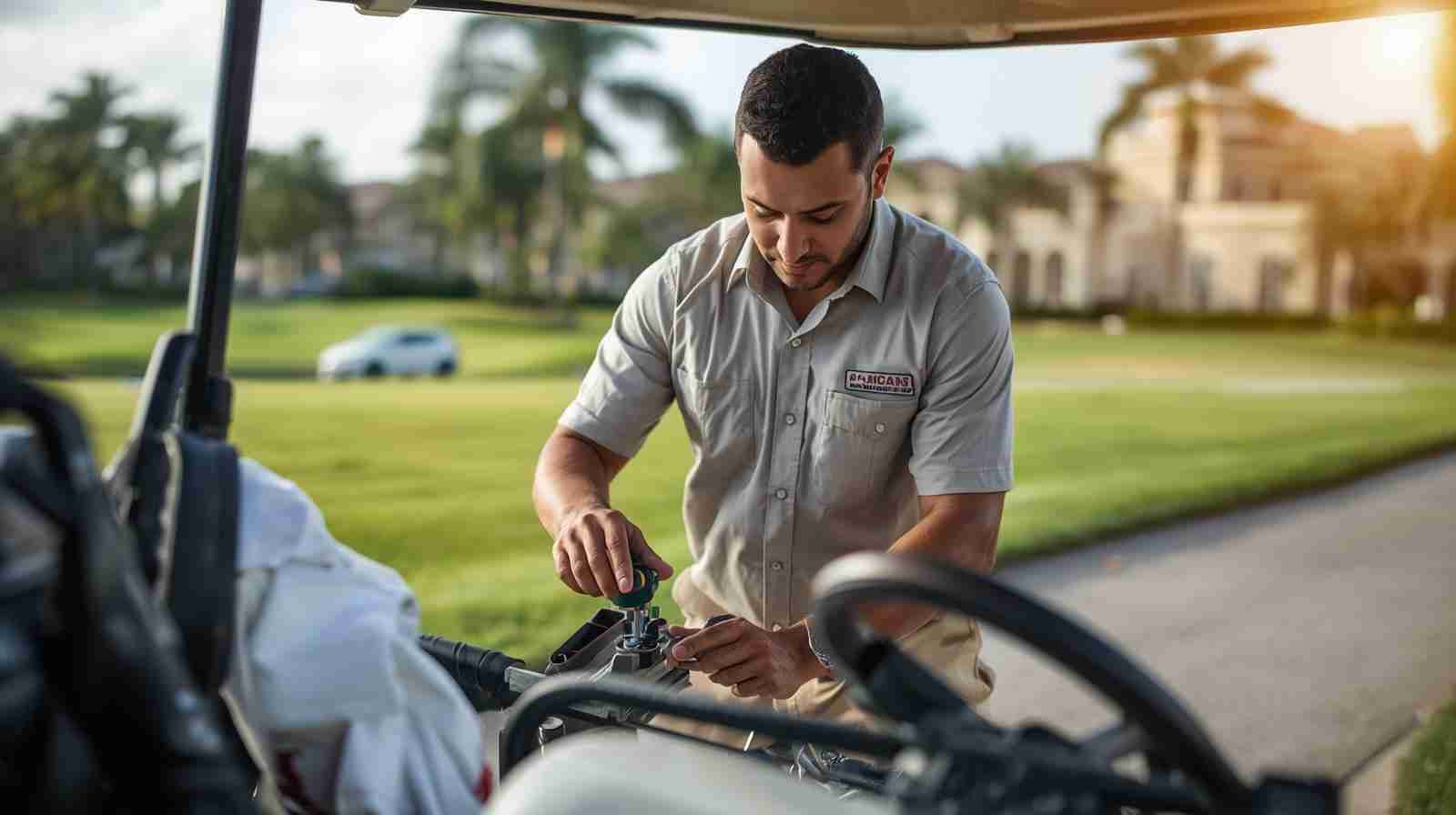
If you are wondering how to take governor off golf cart, the safest answer is that you should not remove or bypass it. The governor or speed control system is part of the cart's safety design, and tampering with it can create unsafe speeds, handling problems, longer stopping distances, and possible warranty issues. If your cart feels too slow, start with the model and power source, then check maintenance items that affect performance before considering any adjustment.
On many modern carts, top speed is determined by model-specific controller settings, engine tuning, or other manufacturer limits. That means the right path is usually to diagnose why the cart is underperforming rather than trying to disable a protective device. If you are not sure where to begin, a professional inspection is the safest route, especially for battery, throttle, drivetrain, and brake related concerns. For local help with routine service and diagnostics, you can review golf cart maintenance sarasota fl as a starting point for professional support.
Before you change anything, identify the cart's make, model, year, and whether it is gas or electric. Safe service steps vary a lot from one platform to another, and incorrect adjustments can affect the cart's overall operation. If your main goal is to restore lost speed or smoother acceleration, the most useful approach is often a careful inspection and maintenance plan, not removing a governor.
Why removing a golf cart governor is not recommended
A governor is designed to limit speed for safety, control, and component protection. Taking it off may increase speed, but it can also create new risks that are easy to underestimate. A cart that feels stable at one pace may handle very differently when its top speed increases, particularly in turns, on slopes, or on uneven pavement.
There is also the legal and warranty side to consider. Manufacturer guidance typically treats performance modifying changes differently from normal maintenance, and those changes may affect coverage. Even when a cart can be altered mechanically, that does not mean it should be altered. The safer approach is to keep the cart within the limits intended by the manufacturer and local rules.
Common risks of bypassing the governor
- Higher stopping distance, especially if brakes are not upgraded or serviced correctly.
- More stress on steering, suspension, and tires.
- Reduced stability in corners or on rough surfaces.
- Possible overheating or premature wear in the motor, controller, clutch, or engine components.
- Potential voiding of warranty coverage for performance modifications.
- Increased chance of injury if the cart is used on public roads or in shared spaces.
In practical terms, a faster cart is not automatically a better cart. More speed without matching safety upgrades and proper inspection can create a vehicle that is harder to control and more expensive to maintain. That is why most responsible service recommendations focus on diagnosis, not governor removal.
Comparison: Removing a governor may seem like the fastest way to gain speed, but a manufacturer approved tune up or inspection is usually safer, more predictable, and less likely to create braking or handling problems.
Why the exact process is not the same for every cart
There is no universal, one size fits all method. Gas carts and electric carts use different systems to control speed. Some rely on mechanical linkage, some on electronic controllers, and some on a combination of components. On certain models, what owners call a governor may actually be a throttle limiter, controller setting, or another factory restricted component.
That is why generic internet instructions can be risky. A step that seems harmless on one model may damage another. If you do not have the exact owner’s manual and model information, you should treat the system as a safety critical part and avoid making changes.
What to check before assuming the governor is the problem
Many golf carts that feel slow are not actually limited by the governor in a way that needs adjustment. They may have worn parts, weak batteries, poor maintenance, or other issues that reduce performance. Before changing any factory settings, inspect the cart carefully and compare its behavior to normal operation for that specific model.
For a broader overview of issues that can make a cart seem underpowered, see common golf cart problems. That kind of troubleshooting is often more useful than searching for a way to disable a governor.
Gas cart checks
On gas carts, sluggish performance can come from basic mechanical or tune up issues. A cart that does not reach expected speed may simply need service. Common checks include:
- Throttle linkage wear or improper adjustment.
- Dirty air filter or fuel system restriction.
- Worn spark plug or ignition issue.
- Engine idle and acceleration problems.
- Clutch wear or belt issues, if equipped.
- Brake drag from misadjusted or sticking components.
When a gas cart feels weak, a technician may inspect the engine, drivetrain, and linkage to confirm whether the cart is operating as intended. In many cases, restoring proper maintenance improves performance without changing safety limits.
Electric cart checks
For electric carts, low speed can be related to battery condition, charger performance, wiring issues, or controller behavior. If batteries are weak, old, or unevenly charged, the cart may not deliver the torque and speed it should. Other useful checks include:
- Battery age, state of charge, and terminal condition.
- Corroded or loose cable connections.
- Accelerator pedal free play or sensor issues.
- Controller faults or reduced output due to a system problem.
- Tire pressure and rolling resistance.
- Brake drag or wheel bearing wear.
Electric carts especially benefit from professional diagnosis because the symptom often looks like a speed problem when it is really a battery or controller issue. Manufacturer approved troubleshooting is usually the safest next step.
Simple maintenance that can restore normal performance
These checks do not bypass any safety device, but they can help a cart return to normal operation:
- Confirm the battery pack is fully charged and healthy.
- Check tire pressure and tire condition.
- Inspect brakes for dragging or uneven wear.
- Look for loose cables, corroded terminals, or damaged wiring.
- Verify that throttle movement is smooth and returns correctly.
- Review the owner's manual for any factory settings or service steps.
If you are not comfortable performing these checks, schedule a qualified technician. A professional can identify whether the cart is slow because of maintenance needs, worn components, or a factory limit that should remain in place.
What a safe service visit may include
A proper service appointment often includes a visual inspection, performance testing, brake review, battery assessment on electric carts, and a check of the throttle or linkage system. The technician can then explain what is causing the speed concern and what repairs or adjustments are appropriate. That kind of diagnosis is far more useful than guessing which part to alter.
| Approach | What it does | Safety impact | Best use |
|---|---|---|---|
| Remove or bypass governor | Attempts to raise top speed by defeating the limit | High risk of unsafe handling and brake issues | Not recommended |
| Manufacturer approved adjustment | Uses official settings or service procedures | Lower risk when done correctly | Only with manual guidance or authorized service |
| Maintenance and diagnostics | Checks batteries, linkage, brakes, tires, and controller health | Supports safe operation | Best first step for most carts |
In most cases, maintenance and diagnostics should come before any performance modification discussion. If the cart already feels slow because of wear or malfunction, fixing that issue may restore more usable performance than you expect.
Frequently Asked Questions
Can I legally remove a golf cart governor?
That depends on where the cart is used and what local laws or property rules apply. Even if a modification is technically possible, it may not be legal for road use or allowed by an HOA, golf course, or community. You should verify local requirements before making any speed related changes.
Will removing the governor make my cart faster?
It might increase top speed on some carts, but that is only one part of overall performance. Speed changes can affect braking, steering, tire wear, and battery or engine stress. A cart that is faster on paper can still feel worse or be less safe in real use.
What if my cart is slow but I do not want to modify it?
That is often the best choice. Start with battery health, tire pressure, brake drag, throttle linkage, and any manufacturer approved maintenance steps. These items can have a big effect on performance and are much safer to address than bypassing a governor.
Is a governor the same on gas and electric carts?
Not usually. Gas carts and electric carts control speed in different ways, so the parts involved may be mechanical, electronic, or both. That is why model specific identification is important before any service work.
Should I ask a technician before changing the speed settings?
Yes. A qualified technician can tell you whether the cart is slow because of a fault, poor maintenance, or a factory set limit that should remain unchanged. Professional advice is especially important if the cart is used around pedestrians, slopes, or roadways.
If your goal is to make the cart more reliable and responsive, focus on safe diagnosis first. In many situations, that approach preserves the cart's safety systems while solving the real problem behind the slow performance.