Repairs & Performance
How to Make a Yamaha Golf Cart Faster
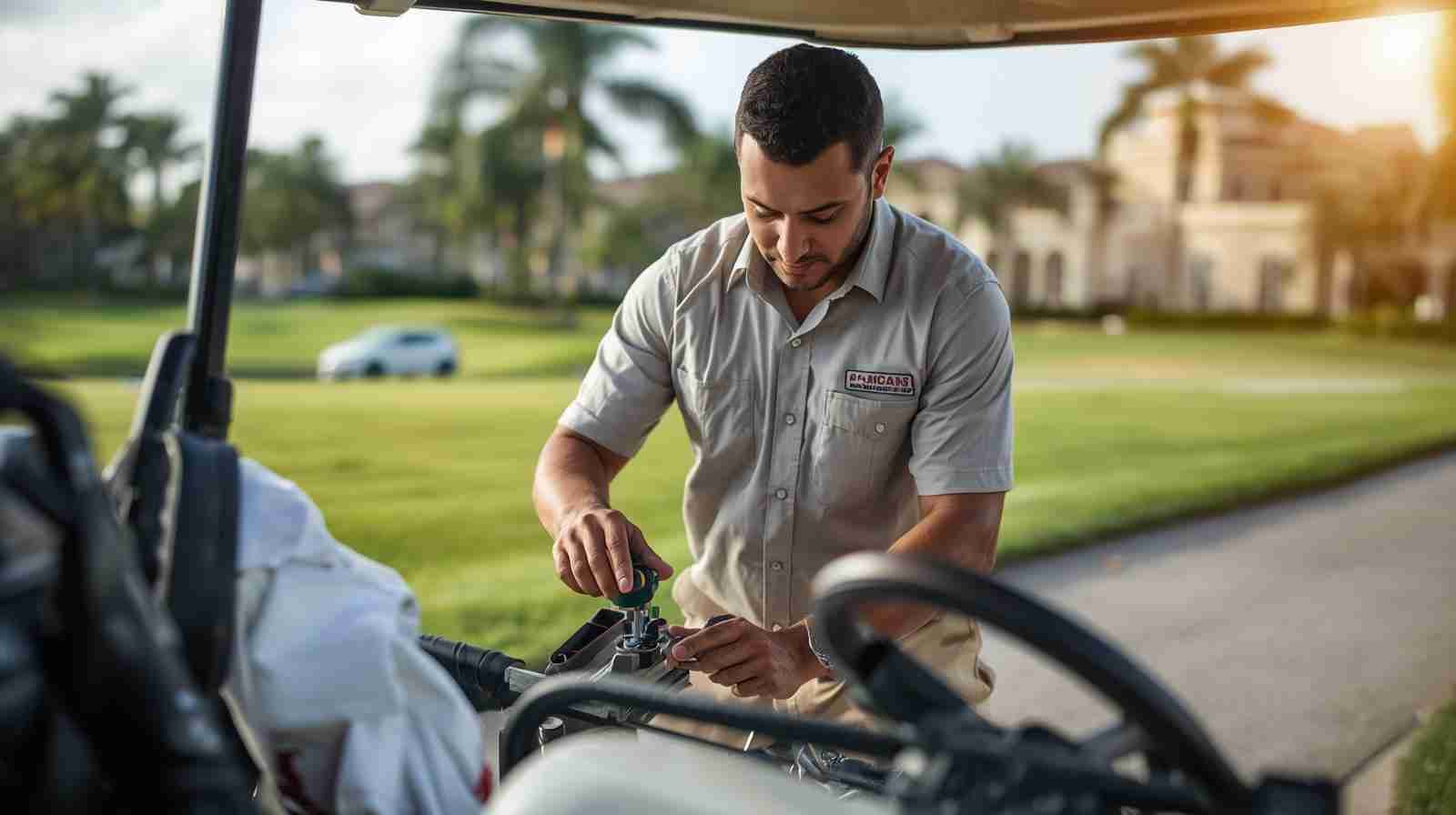
If you are wondering how to make a Yamaha golf cart faster, the safest starting point is to identify the exact model and powertrain, then work from maintenance first and upgrades second. Yamaha gas carts and Yamaha electric carts use different speed-control systems, so the right approach depends on the serial number, model year, and factory configuration. In many cases, a cart that feels slow is not really limited by design, but by tire pressure, dragging brakes, weak batteries, worn belts, or a controller setting that needs professional attention.
Before changing anything, confirm the cart’s model year from the serial number and check the owner’s manual for that specific cart. Yamaha documentation is model-specific, and what applies to one Drive, G29, UMAX, or newer model may not apply to another. If your cart is used on roads, also verify local rules before increasing speed, because the legal class of the vehicle can matter as much as the mechanical setup. If you need a shop to inspect the cart first, a local provider such as golf cart service lakewood ranch fl can help you sort out the basics before any modification decisions are made.
Start with the safest ways to regain lost speed
Many Yamaha carts that feel sluggish simply need maintenance. Restoring factory performance is usually safer, less expensive, and more reliable than chasing modifications right away. This is especially important if the cart is used around neighborhoods, on paths, or on roads where predictable braking and steering matter.
Check for simple performance losses first
- Tire pressure: Underinflated tires increase rolling resistance and can make the cart feel noticeably slower.
- Brake drag: If a brake is not fully releasing, the cart may lose speed and battery range.
- Battery condition: Weak or uneven batteries can reduce acceleration and top speed on electric Yamaha carts.
- Belt and clutch condition: On gas carts, worn belts or clutch issues can limit how well power reaches the wheels.
- Wheel and bearing condition: Excess friction from worn parts can hurt speed and efficiency.
- Load weight: Extra passengers, cargo, or accessories can reduce performance even when the cart is healthy.
These checks matter because a cart that seems "slow" may actually be suffering from ordinary wear. Fixing the underlying issue often restores normal output without changing the factory speed limiter or controller settings.
Understand gas and electric differences
On many Yamaha gas golf carts, speed is commonly controlled by a mechanical governor and throttle linkage arrangement. That means top speed can be influenced by how the governor is set, but changes should follow the correct service procedure for the exact model. On Yamaha electric carts, top speed is usually controlled by the controller and its programming rather than a mechanical governor. In that case, the speed setting is often model-specific and may require a dealer or qualified technician with the right tools and training.
Do not assume that one adjustment method fits all Yamaha carts. A change that is appropriate for an older gas model may be wrong for a newer electric cart, and vice versa. Manufacturer instructions should always come first.
Basic maintenance checklist
- Verify tire pressure and inspect tires for wear or damage.
- Confirm the brakes release fully and do not drag.
- Inspect belts, clutches, and throttle response on gas carts.
- Test battery health and charging performance on electric carts.
- Look for loose wiring, corroded terminals, or unusual drivetrain noise.
- Check that no accessories are interfering with safe operation.
If you are still diagnosing issues, it can help to compare symptoms with common golf cart problems so you can separate a true speed limitation from a maintenance issue.
| Area to inspect | Gas Yamaha cart | Electric Yamaha cart | What to watch for |
|---|---|---|---|
| Tire pressure | Yes | Yes | Low pressure can reduce top speed and acceleration |
| Brake drag | Yes | Yes | Dragging brakes create resistance and heat |
| Belt or clutch condition | Yes | No | Wear can reduce power transfer on gas carts |
| Battery health | Limited effect | Yes | Weak batteries often reduce speed and range |
| Controller programming | Usually not the main factor | Yes | Speed may be limited by controller settings |
Comparison: The safest way to gain a little more speed is usually to restore lost performance first, because maintenance fixes are reversible and model-friendly. More aggressive changes such as governor adjustments on gas carts or controller changes on electric carts can create safety, legal, and warranty concerns if they are not matched to the exact Yamaha model.
Speed upgrades and adjustments for Yamaha carts
If maintenance does not solve the problem and you still want more speed, the next step depends on whether your Yamaha is gas or electric. The key is to avoid shortcut methods that bypass safety devices or ignore manufacturer guidance. That can lead to poor handling, shorter component life, or a cart that no longer complies with local use rules.
For gas Yamaha carts
On gas carts, the governor often limits top speed. Older Yamaha gas models may have service procedures for governor and throttle-linkage adjustment, but those procedures are specific to the model and year. If the cart is adjusted too aggressively, the engine can run beyond a safe range, and the cart may become harder to control.
Safer considerations for gas carts include:
- Confirming the exact model before any adjustment.
- Following the factory service procedure rather than guessing at linkage positions.
- Replacing worn belts, clutches, or throttle components before chasing more speed.
- Having a qualified technician verify that the governor setting stays within the intended operating range.
Gas carts can also feel slower if the engine is not reaching proper RPM because of tuning, air supply, fuel delivery, or drivetrain wear. A speed gain from a repair is often more useful than a risky modification.
For electric Yamaha carts
On electric carts, the controller and its programming usually determine how fast the cart can go. Some models allow speed setting changes, but this is not something to improvise. The correct process depends on battery voltage, motor type, controller software, and the specific Yamaha model year. In many cases, the best approach is to ask an authorized Yamaha dealer or a qualified golf cart technician about factory-approved settings or approved upgrade options.
Important electric-cart considerations include:
- Battery health must be good before any speed change is evaluated.
- Higher speed can shorten range if the battery pack is already weak.
- Controller or motor changes may affect heat, braking feel, and acceleration.
- Factory settings exist for safety and compatibility, so they should not be bypassed casually.
Common upgrade paths to ask about
Not every cart needs a major modification. Depending on your exact Yamaha, a technician may discuss factory-approved or model-appropriate options such as updated tires with proper sizing, maintenance corrections, controller settings, or other approved performance-related parts. The right option should be evaluated against the cart’s age, powertrain, and intended use.
Use caution with any upgrade that claims to dramatically increase speed without mentioning the model, legal class, braking system, or battery capacity. Speed alone is not the only factor that matters. Braking and stability become more important as speed rises.
What to avoid
- Do not bypass safety equipment.
- Do not ignore manufacturer limits or service procedures.
- Do not assume a speed modification legal for one road or course is legal everywhere.
- Do not make large changes without checking brake condition and steering control.
- Do not use a speed increase as a substitute for proper battery or engine maintenance.
If your goal is street use, remember that a faster cart is not automatically a road-legal cart. Local rules can depend on vehicle classification, required equipment, and where you plan to drive. In Florida, and especially in local communities, those details can vary by jurisdiction. If the cart is used on public roads, review the applicable requirements before altering speed.
Frequently Asked Questions
How do I know whether my Yamaha cart is gas or electric?
Check the serial number, the owner’s manual, and the powertrain layout. Gas carts have an engine, fuel system, and often a belt-driven drivetrain. Electric carts have batteries, a controller, and an electric motor. If you are unsure, a technician can identify it before any speed work begins.
Can I just turn up the speed on any Yamaha golf cart?
No. Speed control is model-specific. Some gas carts use a governor, while electric carts usually rely on controller programming. The correct method depends on the exact cart, and changes should follow manufacturer guidance.
What is the safest way to make a Yamaha golf cart faster?
The safest path is to restore factory performance first by checking tire pressure, brakes, batteries, belts, and drivetrain condition. If you still need more speed, ask a qualified Yamaha dealer or technician about approved settings or upgrades for your exact model.
Will larger tires make my Yamaha cart faster?
Larger tires can change overall gearing and may increase speed in some cases, but they can also affect acceleration, braking, handling, and clearance. Tire changes should be matched to the cart and checked for safety and fitment.
Could a speed upgrade affect legal use on roads?
Yes. If you drive the cart on streets or in communities with specific rules, increasing speed may affect whether the cart still meets local or state requirements. Always verify the applicable laws and equipment requirements before modifying the cart for road use.