Buying & Ownership
How to Buy a Golf Cart
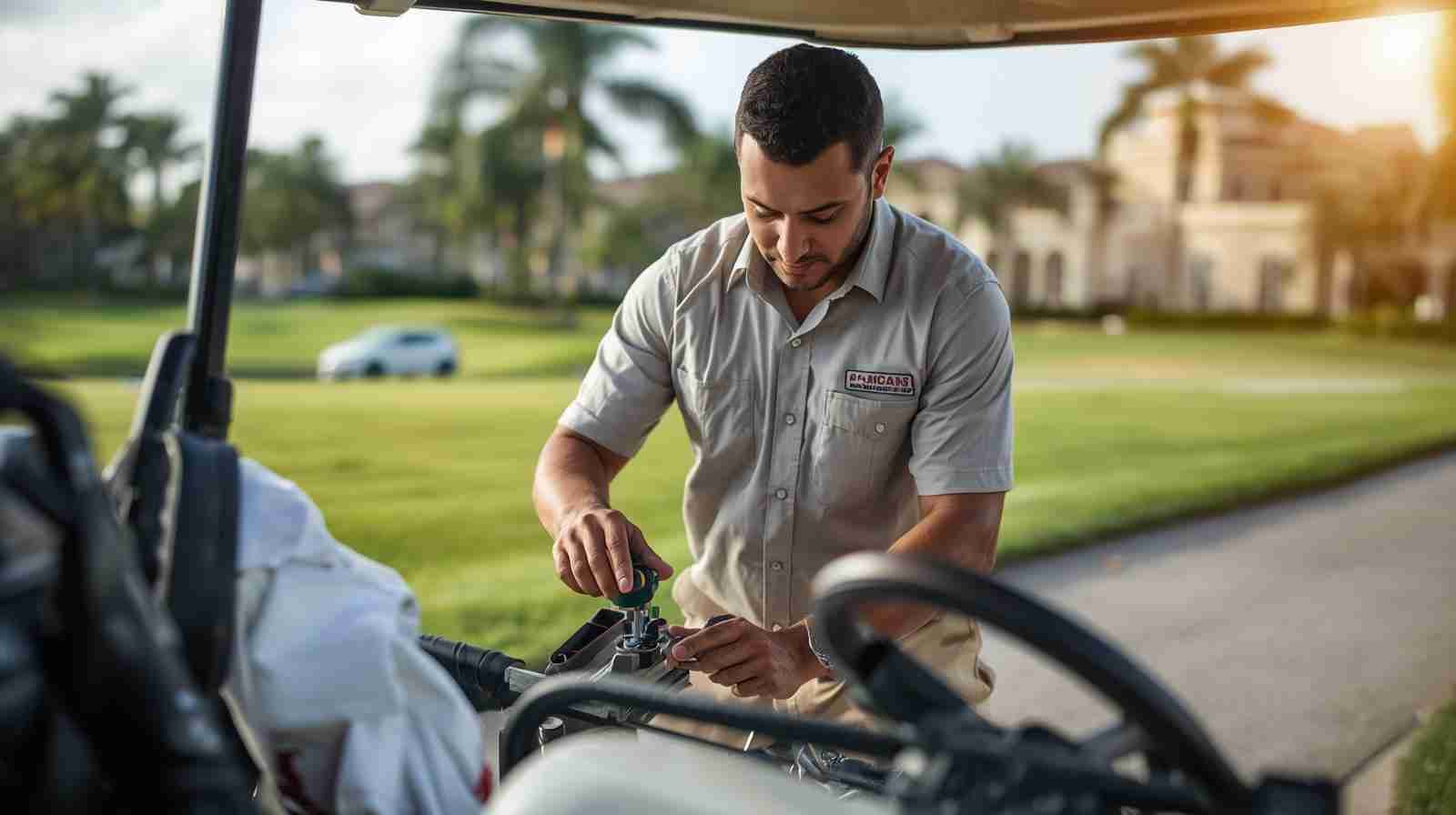
If you are wondering how to buy a golf cart, start by deciding where you plan to use it, because that choice shapes almost every other decision. In Southwest Florida, the biggest fork in the road is whether you want a true golf cart for private or community use, or a low-speed vehicle for street-legal driving in places where Florida law allows it. Once you know the intended use, you can compare power source, seating, condition, and paperwork with much more confidence.
That first decision matters because golf carts and low-speed vehicles are not the same in Florida. A cart that works well on a course or in a private community may not be legal for the roads you want to use. Before you buy, confirm the cart type with the seller, check local roadway rules, and verify whether the vehicle is a golf cart only or an LSV-capable unit. If you want help coordinating inspection, maintenance, or transport through a local service network, you can also use golf cart service bradenton fl as a starting point.
Start with the right type of cart for your use
The best way to buy a golf cart is to begin with intended use, not color, brand, or accessories. Many buyers in Sarasota and nearby Southwest Florida want one of two things: a simple cart for golf courses, neighborhoods, resorts, or private property, or a cart that can be used on certain roads as a low-speed vehicle. Those two paths have different equipment requirements and different legal limits.
Florida law distinguishes a golf cart from a low-speed vehicle. A golf cart is generally designed and manufactured for golf-course or recreational use, while an LSV is a separate category with different equipment and road-use rules. That means a cart that looks similar may still be treated differently by law. If a seller uses the phrase street legal, ask exactly what that means and what equipment is installed.
Choose golf cart or LSV first
Ask yourself where the cart will actually be driven. If it will mostly stay on private property, golf courses, or within a neighborhood that allows golf carts, a standard golf cart may be enough. If you need a vehicle for more general road use, you may need an LSV that meets the applicable equipment and registration rules. Do not assume a converted cart automatically qualifies for road use. Modifying a golf cart for public-road use can change how it is regulated, and federal safety standards may apply depending on the final configuration.
When in doubt, verify the intended use with the seller and confirm local street-legal status before you buy. Rules can vary by vehicle type and by the roads involved. In Florida, local governments can authorize golf cart use on certain roads, but that permission is limited and not universal. On some state roads, a golf cart may cross only at intersections with official traffic control devices and only when the posted speed limit is 45 mph or less.
Decide between gas and electric
One of the first practical choices is gas versus electric. Gas carts can be appealing to buyers who want quick refueling and a familiar engine setup. Electric carts can be attractive for quieter operation and simpler day-to-day charging routines. Neither option is automatically better. It depends on how far you drive, how often you use the cart, and whether you have a convenient charging area.
If you are buying electric, battery condition becomes one of the most important inspection items. Batteries can be a major expense, so ask how old they are, how they were maintained, and whether they hold a charge under real use. If you are buying gas, ask about engine service history, fuel system condition, and whether the cart starts cleanly, idles properly, and accelerates without hesitation.
Match the seating and storage to your routine
Think about who will ride in the cart and what you need to carry. A two-passenger cart may be fine for a golfer or solo homeowner, but many families prefer four, six, or more seats. Be careful not to focus only on seat count. Extra passengers increase total weight, which can affect braking, ride quality, and battery life. If you regularly carry bags, tools, beach gear, or coolers, make sure the cart has practical storage and that any rear seat or cargo area is installed safely.
For buyers in a busy market, it helps to compare the cart against the actual life you plan to live with it. A cart used for errands around a neighborhood in Bradenton Beach or Osprey may need different features than one used mainly on a private property in Sarasota or Venice.
Inspect condition, paperwork, and road-use details before you pay
The fastest way to regret a purchase is to skip inspection. A golf cart can look clean on the outside while hiding expensive issues in the battery pack, brakes, steering, suspension, or charging system. Even a newer cart should be reviewed carefully, especially if it has been modified, lifted, or equipped with aftermarket accessories. Ask for maintenance records whenever possible and verify the serial number or VIN information before money changes hands.
Use a practical pre-purchase checklist
- Confirm whether the cart is gas or electric.
- Check battery age, charging performance, and visible corrosion if electric.
- Test brakes, steering, tires, and suspension.
- Verify lights, horn, mirrors, and seat belts if the cart is intended for road use.
- Ask for maintenance records and repair history.
- Confirm title, serial number, or VIN details where applicable.
- Verify whether the cart is golf-cart-only or LSV-capable.
- Ask exactly where the cart may be driven under local rules.
In Florida, anyone operating a golf cart, low-speed vehicle, or utility vehicle under the cited statute must possess a valid driver license. That does not mean every road is open to the vehicle. It means the operator must still follow the applicable licensing and roadway rules. If a seller says a cart is legal everywhere, treat that as a red flag and verify it independently.
Look closely at the mechanical condition
Start with the tires. Uneven wear can point to alignment or suspension issues. Then test the brakes for consistent stopping power. Check steering for looseness or wandering. Listen for unusual noises from the drivetrain, and make sure the cart tracks straight at low speed. If the cart has been lifted, inspect the quality of the parts and the overall stability. Lifts can change handling and increase wear if the installation is poor.
For electric carts, inspect cables, charger connections, and battery trays. For gas carts, look at belts, fuel lines, air intake components, and any signs of leaks. If you do not know what you are looking at, bring in a qualified local professional for an inspection before finalizing the sale. That is often cheaper than buying a problem cart and fixing it later.
Understand Florida road-use rules before buying for street driving
Florida law matters a lot if you plan to drive beyond private property. Golf carts may be used on certain local roads only when authorized by the responsible local governmental entity and subject to local conditions. On state roads or highways, golf carts may cross only at intersections with official traffic control devices when the posted speed limit is 45 mph or less. That is a narrow allowance, not a blanket permission to drive anywhere.
LSVs have different requirements and are treated as a separate class from conventional golf carts. NHTSA describes an LSV as having a top speed of 20 to 25 mph, and it is not the same as a standard golf cart. If you are buying with road use in mind, confirm the vehicle class first and then confirm what is required for that class in your area. Laws, local ordinances, and equipment rules can change, so always verify current requirements before purchase.
Comparison: A standard golf cart is usually the simpler choice for private property and community use, while an LSV may be the better fit if you need street-legal operation where local rules allow it. The tradeoff is that the LSV path usually brings more equipment, paperwork, and compliance checks. A converted cart may look similar to an LSV, but conversion does not automatically guarantee legal status, so verify the actual classification before you buy.
Compare major buying factors side by side
| Buying factor | What to look for | Why it matters |
|---|---|---|
| Type | Golf cart or LSV | Determines where it can be driven and what rules apply |
| Power source | Gas or electric | Affects maintenance, noise, range, and charging or fueling needs |
| Battery condition | Age, charge holding, corrosion | Critical for electric cart performance and future cost |
| Mechanical condition | Brakes, steering, tires, suspension | Impacts safety and repair costs |
| Paperwork | Title, serial number, VIN, records | Helps confirm identity and history |
| Intended use | Private property, neighborhood, road use | Shapes the correct cart type and equipment needs |
Know the most common add-ons and upgrades
Many carts are sold with upgrades, and not all upgrades are equally useful. Common additions include upgraded seats, tires, lighting, mirrors, windshields, storage racks, and paint or body enhancements. Some modifications improve comfort or practicality, while others may affect safety or legality. If you are buying a lifted cart, ask whether the lift was installed by a qualified professional and whether the handling feels stable at speed. If it has speed-related modifications, ask for documentation and confirm that all manufacturer protections and safety equipment remain intact.
Be cautious about upgrades that promise more speed or more power without explaining the impact on braking, battery load, or road compliance. A cart that accelerates faster is not necessarily a better purchase if it becomes harder to control or no longer fits the place where you intend to use it.
If you want to understand what problems are worth watching for after you buy, this common golf cart problems guide is a helpful follow-up once you have narrowed your options.
Frequently Asked Questions
What is the first thing I should decide when buying a golf cart?
Decide where you plan to drive it. If you only need it for private property, a course, or a community that allows golf carts, a standard cart may be enough. If you want street use, you need to confirm whether you actually need an LSV and what Florida and local rules require.
Should I buy gas or electric?
It depends on your routine. Electric carts are often preferred for quieter operation and simpler daily use, while gas carts can appeal to buyers who want quick refueling. The best choice depends on range, charging access, maintenance preferences, and how the cart will be used.
How do I know if a cart is street legal in Florida?
Do not rely on appearance alone. Ask whether the cart is a golf cart or an LSV, then verify the equipment, title or registration status if applicable, and the local rules for the roads you want to use. Florida law treats golf carts and LSVs differently, so classification matters.
What should I inspect before buying a used cart?
Check the batteries or engine, brakes, steering, tires, lights, and overall frame condition. Ask for maintenance records and verify the serial number or VIN information. If anything seems unclear, have a professional inspect the cart before you buy.
Can I drive a golf cart on any road in Southwest Florida?
No. Road use depends on the vehicle type, local authorization, and the specific roadway. Florida allows golf carts on certain local roads only when authorized, and on state roads a golf cart may cross only under limited conditions at official intersections where the posted speed limit is 45 mph or less.