Buying & Ownership
How Much Is My Golf Cart Worth
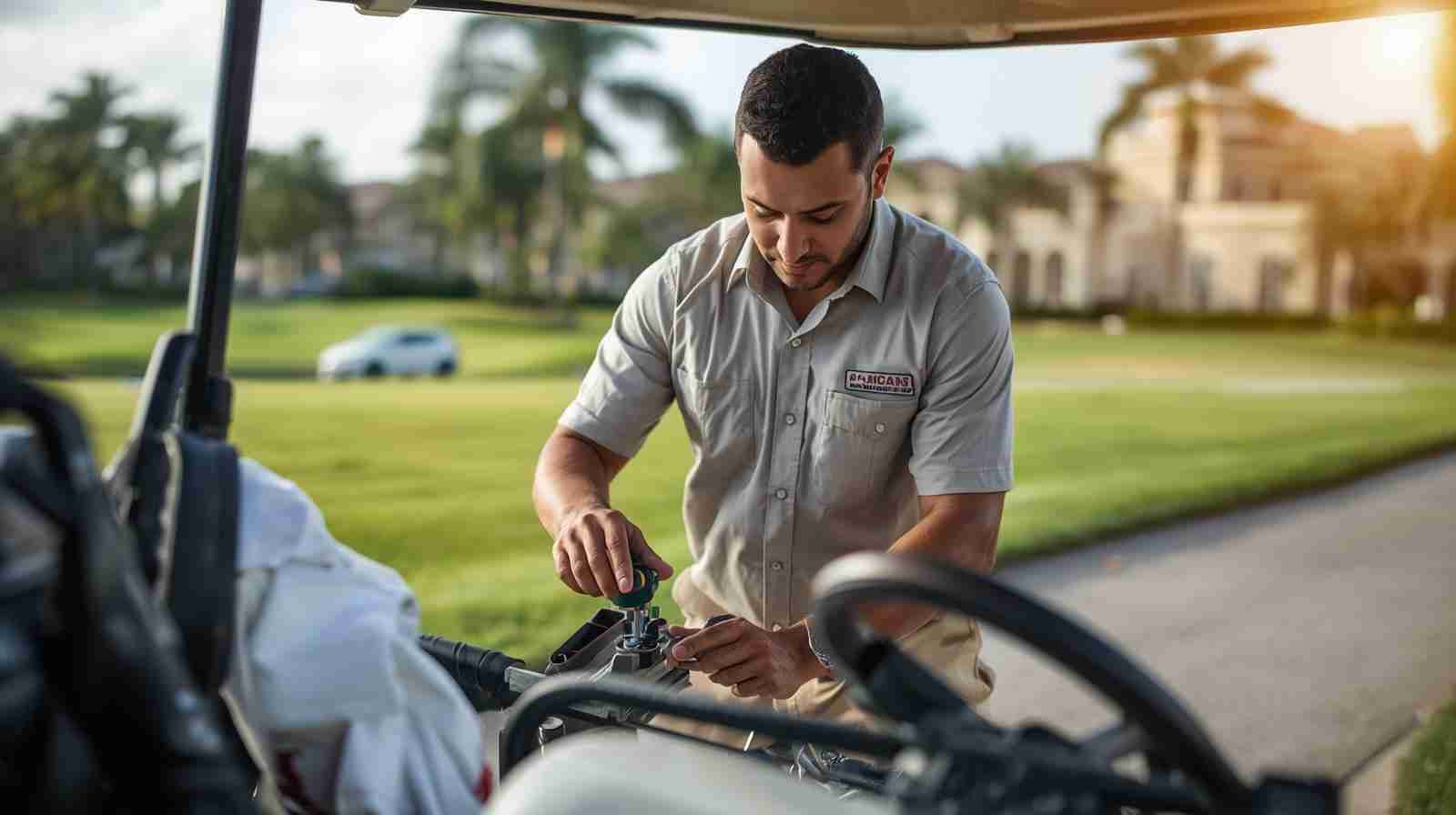
If you are asking how much is my golf cart worth, the honest answer is that it depends on the cart’s exact year, make, model, power type, battery condition, and overall condition, but many used carts can vary by a few thousand dollars or more based on those details. A clean, well maintained cart with newer batteries and useful upgrades will usually bring more than an older cart with worn components, cosmetic damage, or unknown service history.
Because local resale values change with demand, season, and condition, any estimate without photos and specifications is only a rough range. In Southwest Florida, that range can shift quickly between private sale, trade in, and dealer pricing. If you want a more accurate estimate, gather the year, brand, model, number of seats, battery age or gas engine details, and a few clear photos before comparing similar listings.
What affects golf cart value the most
Used golf cart pricing is not based on one single factor. Buyers usually look at the whole package, and a cart that seems similar at a glance can be worth much more or much less once the details are reviewed. That is why two carts of the same brand can have very different values.
Year, make, and model
The year matters because newer carts often use improved components, better suspension, and updated electrical systems. Make and model matter because some brands and configurations are more sought after than others in the used market. A known model with easy parts availability may sell faster than a less common one, even if both are in decent condition.
Gas versus electric
Whether the cart is gas or electric can influence value, buyer interest, and maintenance expectations. Electric carts are often attractive to buyers who want quieter operation and simpler daily use, while gas carts may appeal to buyers who prefer longer range between refuels. Neither is automatically worth more. Condition, maintenance, and local demand usually matter more than the power source alone.
Battery type and battery age
For electric carts, battery age is one of the most important value drivers. A cart with older batteries may still look great but can require a significant expense soon after purchase. Battery type also matters because different battery chemistries, charging systems, and maintenance needs affect both performance and resale appeal. A buyer will often discount a cart if the battery age is unknown or if charging performance seems weak.
Condition and service history
Cosmetic condition affects first impressions, but mechanical and electrical condition affect value much more. Buyers usually look for:
- Clean, undamaged body panels
- Solid steering and braking
- No unusual noises from the drivetrain
- Proper charging or strong engine starting
- Reasonable tire wear
- Working lights, horn, and accessories if equipped
Maintenance records can increase confidence. Even a simple record of battery replacements, tire service, charger repairs, or routine inspections can help support a stronger asking price.
Upgrades and accessories
Upgrades can help a cart stand out, but they do not always add dollar for dollar value. Some features are more marketable than others. Common examples include upgraded seats, enclosures, wheels, tires, brush guards, mirrors, lights, and rear flip seats. High quality upgrades can help, but poor installation, mismatched parts, or unsafe modifications can reduce value instead of increasing it.
Street legal equipment may improve appeal in some areas, but buyers still need to confirm local rules and proper equipment compliance. It is best to treat such features as a convenience factor rather than a guaranteed value boost.
Comparison: A clean electric cart with newer batteries and no major wear often sells better than a similar cart with older batteries, while a gas cart in strong mechanical condition may appeal to buyers who want simpler range and fueling. In both cases, condition and maintenance usually matter more than the power type alone.
| Value factor | What buyers notice | Typical effect on price |
|---|---|---|
| Battery age | Recent replacement, charging performance, runtime | Often one of the biggest price drivers on electric carts |
| Mechanical condition | Brakes, steering, suspension, drivetrain noise | Strong condition can support a higher asking price |
| Cosmetics | Body damage, seat wear, faded plastics, rust | Moderate effect, but visible wear can lower offers |
| Upgrades | Wheels, seats, lights, enclosure, lift kit | Can help if tasteful and well installed, but not all upgrades pay back fully |
| Documentation | Receipts, model information, service history | Improves buyer confidence and can speed up a sale |
How to estimate your golf cart’s worth
If you want a realistic answer instead of a guess, use a simple process. Start with the cart’s identity, then compare condition and features to similar carts in your area. This helps you estimate a fair asking price and avoid pricing too high or too low.
Gather the basic details
Write down the following information before you compare listings or request an appraisal:
- Year
- Brand and model
- Gas or electric
- Battery type and approximate age, if electric
- Seat count
- Lift kit or suspension changes
- Tire size and condition
- Charger included or not
- Street legal equipment, if present
- Any known repairs or missing parts
Check the major systems carefully
For an electric cart, pay close attention to battery performance, charger function, cable condition, and how the cart accelerates and stops. For a gas cart, note engine starting, smoke, fuel delivery, idle quality, and overall drivability. In either case, steering, braking, and suspension should be evaluated by someone who knows what to look for if you are not sure.
If you are troubleshooting a cart that is not running right, it can help to review common golf cart problems so you can better separate minor wear from issues that may affect resale value.
Compare similar carts, not just any carts
Try to compare carts with similar seat count, power type, and condition. A newer lifted cart with premium tires should not be compared directly to a basic older cart with worn batteries. That comparison can lead to unrealistic expectations. Instead, look for carts with similar age and features in your local market.
In Southwest Florida, especially around Sarasota, Bradenton, Lakewood Ranch, Venice, Englewood, North Port, and Port Charlotte, the same cart can be priced differently depending on whether it is being sold privately, through a dealer, or as a trade in. Local demand, seasonal buying patterns, and how quickly a seller wants to move the cart can all affect the number.
Adjust for repairs and known issues
A cart with worn batteries, weak brakes, cracked seats, dry rotted tires, or electrical faults should usually be valued lower because the next owner will need to invest in repairs. The more uncertain the repair history, the more conservative the estimate should be. If you are unsure, get an inspection before setting your price.
Use a practical pricing range
Rather than fixating on one exact figure, it is often better to think in ranges:
- Lower range: needs work, unknown history, visible wear, or major maintenance due soon
- Middle range: average condition, functional systems, normal wear, basic upgrades
- Higher range: clean condition, documented maintenance, newer batteries or strong mechanical health
That approach is more reliable than a single number because golf carts are highly configuration dependent. A clean, maintained cart can outvalue a newer cart that has been neglected.
Get an in person assessment when accuracy matters
If you need to sell quickly, trade in, or settle an estate, an in person review is usually the best way to narrow the range. A qualified technician or dealer can inspect the cart’s condition, note missing parts, and help identify issues that may not be obvious in photos. For buyers who want help with maintenance related evaluation in the area, golf cart maintenance englewood fl can be a useful starting point for service inquiries.
Frequently Asked Questions
How much is my golf cart worth if I do not know the model year?
If you do not know the model year, the value estimate will be broader and less reliable. Check the serial number plate, manufacturer label, or ownership paperwork. If that is not available, photos of the dash, frame, battery compartment, and body style can sometimes help narrow it down, but the estimate will still be approximate.
Do new batteries increase golf cart value?
Usually yes, especially on electric carts. New or recently replaced batteries can make a cart much more attractive because they reduce the buyer’s near term expense. The increase in value is not always equal to the full cost of the batteries, but it can make a meaningful difference in resale appeal.
Are lifted golf carts worth more?
Not automatically. A lift kit can increase appeal for some buyers, particularly if the cart has attractive wheels and tires, but it can also reduce appeal if the ride is rough, the installation is poor, or the cart is harder to use for everyday driving. Value depends on workmanship, usability, and local demand.
Does a golf cart with street legal equipment sell for more?
Sometimes, but not always. Mirrors, lights, turn signals, seat belts, and other street legal equipment may increase convenience and buyer interest where local rules allow road use, yet the value increase depends on whether the equipment is installed correctly and whether the cart meets the applicable legal requirements. Laws vary by location.
Should I get a professional appraisal before selling?
If you want a tight value estimate, yes, especially for a higher end cart, a cart with custom work, or one with uncertain battery or mechanical condition. A professional review can help identify hidden repairs, verify equipment condition, and support a more realistic asking price.