Buying & Ownership
How Much Is a Used Golf Cart
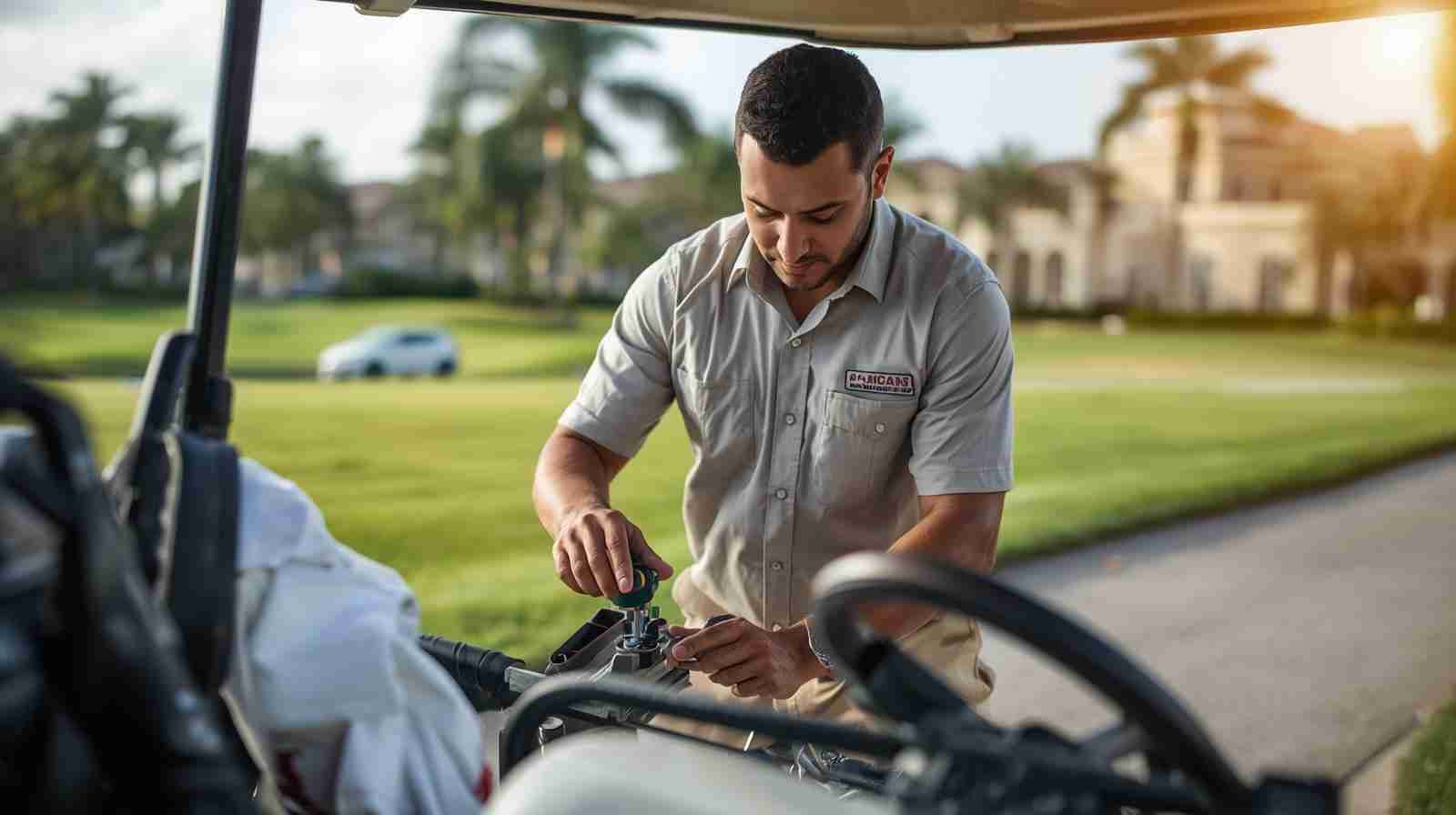
If you are asking how much is a used golf cart, the honest answer is that the price can vary a lot, often from a few thousand dollars for an older cart that needs work to much more for a newer, upgraded, or street legal model. The biggest factors are age, battery type, condition, brand, accessories, and whether the cart is a basic golf cart or a low-speed vehicle that meets additional equipment requirements. A used cart should always be judged by its actual condition, not by a quick guess from photos alone.
In Southwest Florida, buyers often compare used carts based on how they will be used around neighborhoods, golf communities, or properties with short trips and frequent stop-and-go driving. That is why price is only one part of the decision. A cart that seems cheaper at first can cost more later if it needs batteries, tires, brakes, charging equipment, or electrical repair. If you are already comparing options and need help with an existing cart, a local shop can be useful for service such as golf cart service englewood fl.
For shoppers who want to understand value before calling a seller, the safest approach is to look at the cart’s condition, compare similar listings, and factor in maintenance needs. If you are trying to troubleshoot a used cart before buying, this guide on common golf cart problems may also help you spot warning signs.
What Used Golf Carts Usually Cost
There is no single standard price for a used golf cart because used value depends on too many variables. In general, the market tends to separate into a few broad bands. These are only rough ranges, not guarantees, and they can shift based on location, demand, and the exact cart you are looking at.
Typical price bands
- Lower end: Older carts that may need batteries, tires, upholstery, or electrical work.
- Mid range: Clean carts with decent cosmetics, functioning drivetrains, and serviceable batteries or a newer power source.
- Higher end: Later model carts, carts with lithium batteries, upgraded seating, lift kits, new wheels and tires, or street legal equipment.
These broad bands are useful because they match what most buyers see in the real world. However, a cart with good paint and fresh seats can still be overpriced if the batteries are weak or the charger is unreliable. Likewise, a cart that looks plain may be a better buy if it has been maintained carefully and needs little immediate work.
New cart pricing helps frame used value
One way to evaluate used pricing is to compare it with the cost of a new cart. For example, a new personal golf cart from a major manufacturer can start around the low five figure range depending on configuration. That matters because a used cart should generally be discounted from new pricing in a way that reflects age, wear, and any repair needs. The larger the difference from new, the more important it becomes to inspect condition closely.
Still, used pricing is not just a percentage of new cost. Two carts of the same model can have very different values if one has new batteries and recent maintenance while the other has unknown service history. That is why asking the right questions matters more than assuming all used carts in a certain year should cost the same.
Why seller type matters
A private seller, a dealer, and a service shop may all price similar carts differently. A private sale may look cheaper because it usually has fewer overhead costs. A dealer listing may cost more because it may include inspection, detailing, and some level of reconditioning. A service-focused business may also evaluate a cart differently because the shop can identify repair needs that are not obvious in photos or a short test drive.
Comparison: A lower priced cart from a private seller can look attractive, but a slightly higher priced cart from a seller who has already addressed batteries, tires, brakes, and electrical issues may be a better value if you want fewer surprises after purchase.
| Used cart category | What it often includes | Price influence | Buyer caution |
|---|---|---|---|
| Older basic cart | Standard seating, older batteries, simple accessories | Usually lower | Check battery age, charger function, and corrosion |
| Well maintained commuter cart | Clean body, decent tires, working lights, routine service | Mid range | Verify brake condition and battery health |
| Upgraded or street legal cart | Seat upgrades, lights, mirrors, belts, tires, possible enclosure | Often higher | Confirm all required equipment is legal and functional |
| Lithium powered cart | Lithium battery system, compatible charger, recent conversion or factory setup | Often higher | Check battery documentation and charging compatibility |
What Affects the Price Most
When people ask how much a used golf cart costs, they are usually really asking what makes one cart worth more than another. The answer comes down to a handful of practical factors. If you understand these, you can judge whether a listing is fair or inflated.
1. Battery type and battery condition
Batteries are often the biggest value driver in an electric cart. A cart with weak or aging batteries can look affordable until replacement costs are added in. Lithium systems often change the pricing picture because they can offer lighter weight and different charging characteristics, but they should be matched to the correct cart and installed according to manufacturer guidance. Battery testing should be done carefully, and electrical work should be handled by someone qualified if you are not sure what you are doing.
- Ask when the batteries were installed.
- Ask whether the charger is included and works properly.
- Look for swelling, corrosion, leaking, or damaged cables.
- Check how long the cart holds a charge during a test drive.
2. Age and usage history
Two carts from the same year can have very different value if one was lightly used and one was driven daily on rough surfaces. Frequent use, poor storage, water exposure, and neglected maintenance all reduce value. If the seller can explain the cart’s history clearly, that is usually a positive sign. If the seller cannot answer basic questions about past service, battery replacement, or storage conditions, be cautious.
3. Brand and parts availability
Brand matters because it can affect parts availability, support, and resale interest. Some buyers prefer certain brands because they are familiar, while others care more about the condition of the specific cart. A well maintained cart from a less flashy brand may be a smarter purchase than a poorly maintained cart from a premium brand. It is better to evaluate the actual cart than to assume the badge tells the full story.
4. Options and upgrades
Accessories can add value, but only if they are useful and installed correctly. Examples include upgraded seats, enclosures, mirrors, lighting, rear seating, roof systems, wheels, tires, and storage solutions. Some upgrades improve convenience. Others may be mainly cosmetic. The market usually rewards upgrades that are practical and professionally installed more than modifications that are purely decorative.
5. Street legal equipment
Street legal carts are not the same as ordinary golf carts. They may need to meet low-speed vehicle requirements and include additional safety equipment. That can make them more expensive on the used market. It can also make them more useful if you need to drive on certain roads where low-speed vehicles are allowed.
Because laws vary by state, county, and municipality, you should confirm local requirements before assuming a cart can be driven anywhere. Do not rely on a seller’s claim alone. Always verify the actual legal status, required equipment, and intended use in your area.
6. Tires, brakes, and suspension
Wear items affect both safety and value. Tires with dry rot, uneven wear, or mismatched sizes can signal neglect. Brake issues can reduce confidence in the cart and add immediate repair cost. Lift kits and suspension changes can also affect ride quality, handling, and maintenance needs. If a cart has been lifted, ask whether the work was done properly and whether the drivetrain and steering components were evaluated after the modification.
7. Cosmetic condition
Cosmetics matter, but they should not outweigh mechanical health. A clean body and fresh upholstery can make a cart look more valuable, but they do not replace proper maintenance. At the same time, a cart with cosmetic wear may still be a good buy if the mechanical systems are solid. The best value is usually a balance of appearance and function.
Frequently Asked Questions
How much is a used golf cart with bad batteries?
Usually less than a similar cart with healthy batteries, sometimes significantly less. Battery replacement can be a major expense, so buyers often discount the cart by the expected repair cost plus some margin for uncertainty. The exact amount depends on the cart type, battery setup, and the rest of the cart’s condition.
Is a gas used golf cart cheaper than an electric one?
Not always. Gas carts can be attractive if the engine and fuel system are in good shape, but they may still need routine service and repairs. Electric carts may seem cheaper at first, yet battery replacement can be costly. The better value depends on maintenance history, not just fuel type.
Are street legal used carts worth more?
They often are, because they include additional required equipment and may be more versatile for certain uses. That said, legal status must be verified carefully. A cart that is called street legal should still be checked for the required equipment and compliance in the place where it will be driven.
What should I inspect before buying a used golf cart?
Check battery health, charger function, tire wear, brake performance, steering, lights, frame condition, corrosion, and charging behavior. Also ask about service records, storage conditions, and any upgrades or repairs. A short test drive is helpful, but it should not replace a full inspection.
Can I finance a used golf cart?
Sometimes financing is available, but terms vary by seller, lender, credit profile, cart age, and cart type. Do not assume financing will be offered. If financing matters to you, ask about the actual options in advance and compare the total cost, not just the payment amount.
For many buyers, the smartest way to answer how much a used golf cart should cost is to compare several listings, inspect the cart in person, and estimate likely repair needs before making an offer. The cheapest cart is not always the best value if it needs immediate batteries, electrical work, or drivetrain repairs. In many cases, paying a little more for a cleaner cart with better documentation can reduce risk and downtime.
If you are evaluating a cart in Southwest Florida, it helps to focus on the same basics every time: condition, maintenance history, battery health, tires, brakes, and whether the cart matches your intended use. A careful inspection can save money and help you avoid buying a cart that needs more work than expected.