Care & Cleaning
How Long Is a 6 Seater Golf Cart
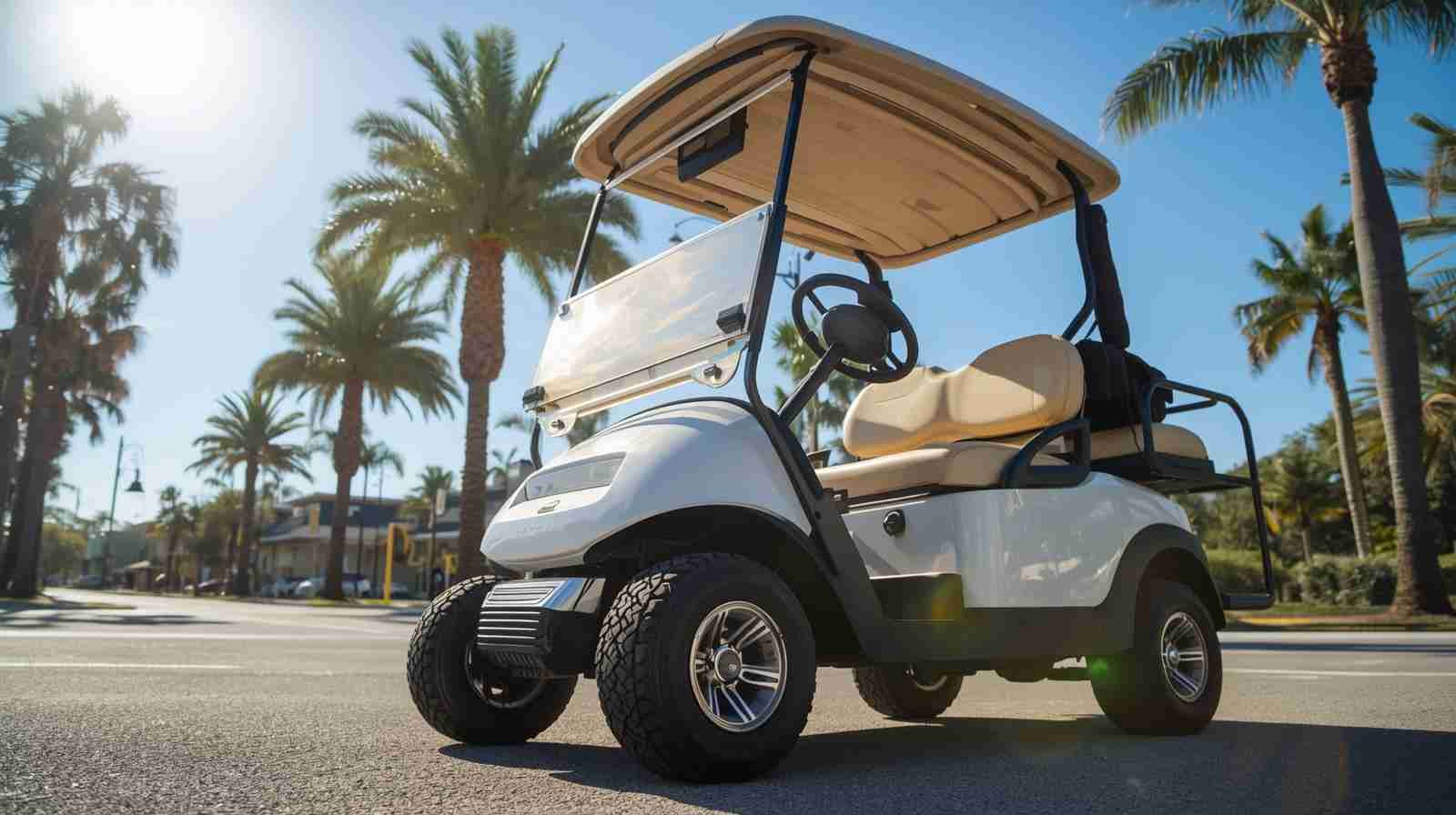
If you are wondering how long is a 6 seater golf cart, the short answer is that most are about 12 to 13.5 feet long, or roughly 143 to 161 inches, depending on the brand, body style, and whether the cart has been lifted or modified. That range is a practical starting point, but the exact measurement can vary enough that you should confirm the specific model before parking it in a garage, loading it on a trailer, or planning storage space.
For Southwest Florida owners, that detail matters. A cart that fits easily in one driveway or garage may be awkward in another if the rear seat folds differently, if the cart has larger tires, or if a roof, light kit, or cargo setup adds to the overall footprint. If you need local help planning around a cart size, golf cart service englewood is a useful place to start for owners who want practical support from a service shop.
Typical Length of a 6 Seater Golf Cart
The most accurate answer is that there is no single universal length for every 6 seat golf cart. Different manufacturers build their carts to different dimensions, and the same model may measure differently if it is lifted or equipped with accessories. Still, many 6 passenger carts fall in a fairly narrow range.
Common measurement range
As a general rule, a 6 seater golf cart is often about:
- 143 inches long for some non lifted models
- 148 inches long for some lifted versions
- 160 to 161 inches long for other 6 passenger designs
That puts many carts at approximately 11.9 to 13.4 feet in overall length. The key phrase here is overall length, because manufacturers usually measure from the very front of the cart to the back of the rear seat or rear body, not just the passenger area.
Why the numbers vary
Length changes because manufacturers make different design choices. A model with a larger front cowl, a longer rear seating platform, or a different chassis may be several inches longer than another 6 seater. Lift kits can also change the overall footprint a bit, and aftermarket accessories may extend beyond the factory dimensions.
Even when two carts both seat six people, one may be built more like a stretched passenger cart while another uses a more compact frame with a different seat arrangement. That is why the safest way to answer the question is to think in ranges rather than one exact number.
How to think about feet and inches
If you are comparing garage or trailer space, it helps to picture the cart in both inches and feet:
- 143 inches is just under 12 feet
- 148 inches is a little over 12 feet
- 161 inches is a little over 13 feet
That difference can matter when you have limited clearance. A garage that seems large enough at first glance may not leave much room for opening the rear seat, walking around the cart, or parking another vehicle nearby. When possible, leave extra room beyond the bare minimum.
Comparison: a 6 seater golf cart is usually much longer than a standard 2 seater cart, but not always dramatically wider. In practice, the added length is what affects storage, turning room, and trailer fit the most.
| Cart type | Typical overall length | Practical note |
|---|---|---|
| 2 seater golf cart | About 90 to 100 inches | Smaller footprint, easier to store |
| 4 seater golf cart | About 108 to 120 inches | Often a middle ground for storage and passenger room |
| 6 seater golf cart | About 143 to 161 inches | Needs noticeably more driveway and garage depth |
These are general planning numbers, not exact specifications for every brand. Always verify the actual cart before making a purchase decision, scheduling transport, or building storage around it.
What Affects the Length of a 6 Seater Golf Cart?
Several design choices can change how long a six passenger cart measures. Some are factory features, while others are aftermarket additions. If you are shopping for a cart, comparing dimensions is just as important as comparing battery type, seating layout, and performance features.
Brand and model
Brand is one of the biggest factors. One manufacturer may list a cart at around 143 inches, while another may list a 6 passenger model at more than 160 inches. Both are still 6 seat carts, but their frames, body panels, and seat positions are not identical.
That is why “6 seater” should be treated as a seating capacity, not as a fixed size. Two carts with the same number of seats can fit very differently in a garage or on a trailer.
Lift kit and tire size
A lift kit is often associated with ground clearance and tire clearance, but it can also influence overall measurements. Depending on the setup, the cart may sit taller, and the tires may extend the cart's usable footprint in practical terms, especially when loading, parking, or moving through narrow spaces.
Oversized tires can also affect the way the cart handles ramps, trailer rails, and storage thresholds. Because of that, size planning should include more than just the official factory length.
Rear seat design
Many 6 passenger carts use a rear facing seat or an extended rear bench. That rear section is a major reason the cart is much longer than a 2 seater or 4 seater. Some seats fold to create a cargo deck, but the folded position does not always reduce the overall length by much.
If the back seat folds into a flat cargo area, measure both the travel position and the folded position. The cart may still need nearly the same amount of floor space because the frame itself remains the same length.
Accessories and add ons
Accessories can affect real world fit even if they do not change the factory spec by much. Examples include:
- Rear hitches
- Roof mounted racks
- Storage boxes
- Mirrors and lighting kits
- Weather enclosures
Some accessories extend beyond the body enough to matter when backing into a garage, loading onto a trailer, or parking near a wall. If your cart has added equipment, measure the cart as it is actually used, not only as it was sold.
Battery and drivetrain layout
Battery placement and drivetrain design do not usually change length as much as seating design, but they can influence the shape of the frame and service access. That matters when planning maintenance space, especially if you need room to access batteries, wiring, or the underside of the cart.
For electrical components, battery service, lifting, speed settings, governor settings, controller work, and drivetrain repairs, follow the manufacturer instructions and use a qualified technician when needed. Bypassing factory protections, modifying speed limits, or altering safety systems can create real hazards and may affect legal use on public roads.
How to measure your own cart
To measure a golf cart correctly, use a tape measure and measure from the farthest front point to the farthest rear point. Do not guess based on the seating capacity alone. For best results:
- Measure on level ground
- Keep the cart fully assembled as it is normally driven
- Include rear seats in their normal position
- Note any accessories that extend beyond the body
- Double check if the cart has oversized tires or a lift kit
If you plan to tow the cart, measure the cart plus any trailer tongue clearance, tie down room, and ramp angle needed for safe loading. A cart that seems short enough on paper may still be awkward to load if the trailer deck is narrow or the rear overhang is long.
For routine detailing and space planning, it also helps to keep the cart clean so body lines and accessories are easy to inspect. If that is on your checklist, this guide can help you clean a golf cart safely.
Frequently Asked Questions
Is a 6 seater golf cart always the same length?
No. A 6 seater golf cart is not always the same length because brands use different chassis, seat layouts, and body designs. Lift kits, rear seats, and accessories can also affect the overall size. The best practice is to check the exact model specifications before assuming it will fit a certain space.
How much garage space should I leave for a 6 seater golf cart?
You should leave more than the cart's exact length so you can open the rear seat, walk around the cart, and avoid tight clearance on each end. Exact space needs depend on the garage layout, but a little extra depth is wise. Also consider mirrors, roof height, and any attached accessories.
Does a lifted golf cart take up more length?
Not always in a dramatic way, but a lifted cart can have a larger practical footprint because of tire size, stance, and accessory fit. The body length may be similar, yet the cart can feel longer and harder to place in a tight space. Always check the full dimensions of the exact setup.
Can I fit a 6 seater golf cart on a trailer?
Often yes, but the trailer must be long and wide enough for the cart's full length and safe tie down clearance. Measure the cart first, then compare that number with the trailer deck, ramp, and tie down points. Do not rely on estimated dimensions if the cart has been modified.
What is the safest way to confirm the length of my cart?
The safest method is to check the manufacturer's published dimensions for your exact model and then measure the physical cart yourself. This is especially important if the cart has been lifted, has oversized tires, or includes cargo accessories. If you are unsure, a service professional can help you assess the setup without guessing.