Repairs & Performance
How Do You Start a Golf Cart
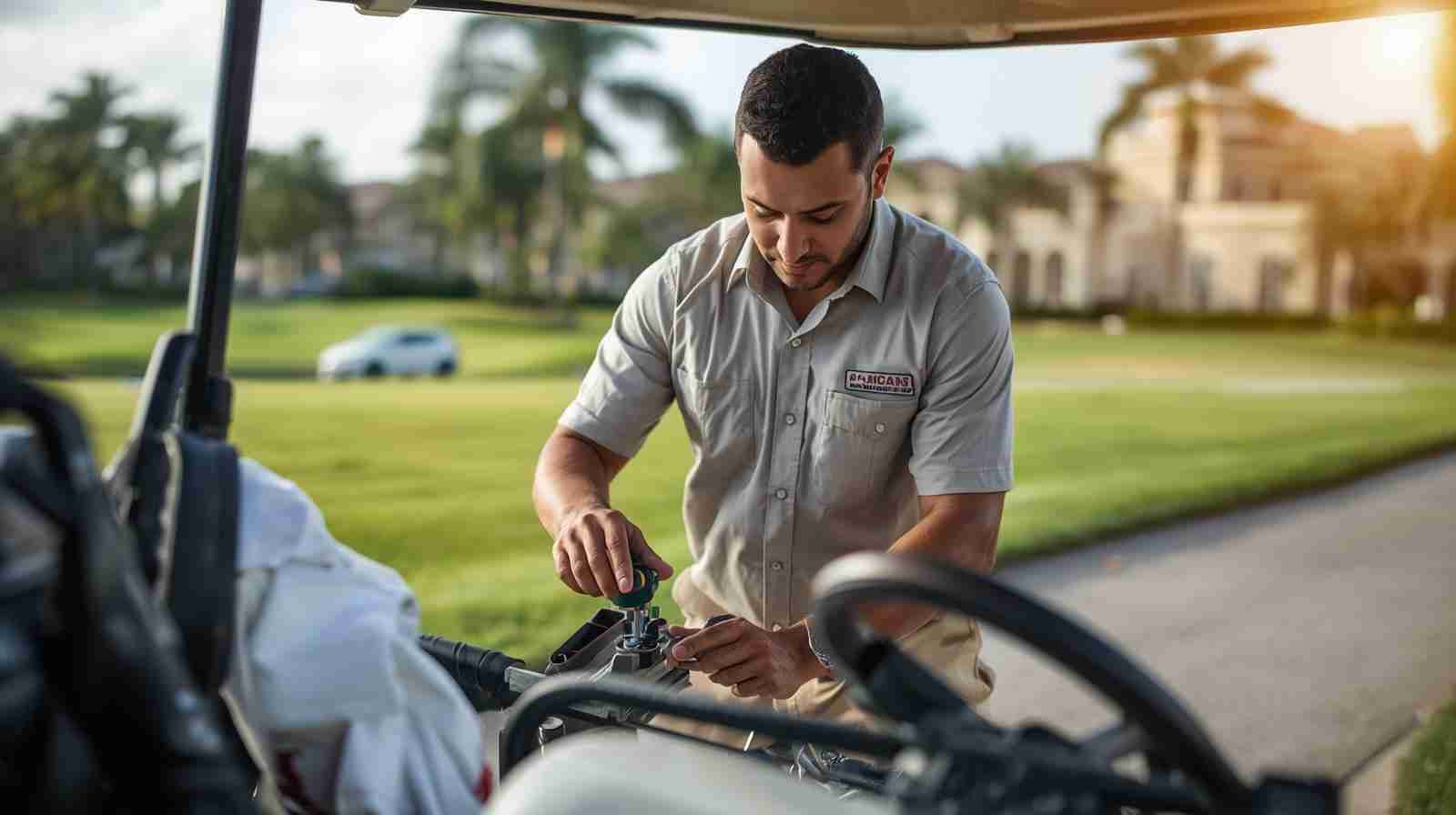
how do you start a golf cart? In most cases, you start by sitting in the seat, setting the parking brake, choosing Forward or Reverse, turning the key or power switch on, and then pressing the accelerator slowly. The exact order can vary by brand, model, and whether the cart is electric or gas, so the owner’s manual should always be the final word.
That basic answer is simple, but it helps to understand the differences between carts before you try to drive one. Some models have a brake pedal interlock, some use a choke on cold starts, and others require a specific keyless system or selector switch position. If you are unsure about your cart, check the model number, serial number, and manual before troubleshooting further.
Start With the Type of Golf Cart You Have
The safest way to start any golf cart is to identify whether it is electric or gas. The startup steps are similar at a glance, but the systems behind them are different. Electric carts rely on battery power, controllers, and switch inputs. Gas carts rely on fuel, ignition, and engine starting components. Knowing which type you have helps you avoid unnecessary strain on the cart and reduces the chance of user error.
Electric golf cart starting basics
For many electric carts, the startup process is straightforward. You typically need adequate battery charge, the key or power switch in the on position, and the direction selector set to Forward or Reverse. Some carts also require the brake pedal to be depressed or a seat switch to detect that someone is sitting in the driver’s seat. If the run/tow switch is installed, it must be set correctly for normal operation according to the manufacturer’s instructions.
Before driving, make sure the battery charger is disconnected if your cart uses a setup that prevents driving while plugged in. Many carts will not operate correctly if the charger is still connected, and some will display symptoms that look like a failure even though the problem is simply that the cart is still in charge mode.
Gas golf cart starting basics
Gas carts usually follow a similar starting sequence, but they need fuel and a working engine start system. Some models may use a choke for cold weather starts, and others use automatic choke or enrichment systems. If the cart has been sitting for a while, stale fuel or a weak battery can keep it from cranking or running smoothly. The starter, solenoid, fuel delivery, and ignition components all need to work together.
On gas carts, it is especially important not to force the engine to start by repeatedly cranking it too long. If it does not start after a few attempts, pause and check the basic conditions first. A simple issue like an empty tank, a loose battery connection, or an incorrect selector position can keep a gas cart from starting.
Basic safe starting sequence
- Sit in the driver’s seat and make sure the area around the cart is clear.
- Set the parking brake if your model uses one.
- Make sure the direction selector is in Forward or Reverse as needed.
- Turn the key or power switch on.
- Press the accelerator slowly and smoothly.
That sequence works as a general starting guide, but it does not replace the owner’s manual. Some carts require the brake pedal to be pressed before they will move. Others use safety switches that prevent operation if the seat is empty or if another control is not in the correct position.
Comparison: Electric carts are often quieter and simpler to start because there is no fuel or engine warm-up step, while gas carts may take a little more attention at startup because fuel delivery, choke function, and ignition all need to work correctly. Neither type should be started by bypassing safety switches.
What to check before you try again
If the cart does not respond when you turn it on, work through the most common starting checks in order. For many owners, the issue is not a major failure. It is often a missed step or a simple switch position. If you want a broader diagnostic overview, this related guide on common golf cart problems may help you narrow down the cause.
- Battery charge level
- Key switch or power switch position
- Parking brake engagement
- Direction selector position
- Seat switch or brake switch operation
- Charger connection on electric carts
- Fuel level on gas carts
- Choke or cold-start function on gas carts
| Cart type | What it needs to start | Common issue if it will not start |
|---|---|---|
| Electric | Charged batteries, key or power on, correct direction selection | Low battery charge, charger still connected, switch or interlock issue |
| Gas | Fuel, ignition power, starter operation, correct selector position | Empty tank, weak battery, choke problem, fuel delivery issue |
| Any model with added safety features | Brake pedal interlock, seat switch, or other manufacturer controls working properly | Safety switch not engaged, control not in the proper position |
Why a Golf Cart Might Not Start and What to Do
When a golf cart does not start, it is best to move from the simplest checks to the more involved ones. Do not begin by jumping wires, bypassing safety devices, or changing wiring without the correct service information. Those shortcuts can damage the cart, create a safety hazard, and make diagnosis much harder.
Common no start causes
One of the most common causes is low battery voltage. Electric carts need enough battery power not just to turn on, but to engage the controller and move the cart under load. Gas carts also depend on battery power because the starter and electrical controls still need voltage even though the cart runs on fuel once started.
Another common issue is an incorrect switch position. If the direction selector is not fully in Forward or Reverse, some carts will not respond. If the key is on but the cart is in Tow or a service mode, it may appear dead. Some systems also require the seat switch to detect weight in the driver’s seat, especially when the cart uses an interlock or safety control logic.
Safe troubleshooting steps
Start with the easy items first. Make sure the cart is in a safe, stationary position. Confirm the batteries are charged if it is electric. Check fuel if it is gas. Look at the switches and selector positions carefully. If a display, light, or audible click is present, that detail can help narrow down the issue.
- Inspect the battery terminals for obvious looseness or corrosion.
- Confirm the charger is unplugged before attempting to drive an electric cart.
- Check that the parking brake is not holding the cart back.
- Make sure the gear selector is fully engaged in the chosen direction.
- Verify the key, switch, or keypad is actually sending power to the system.
- For gas carts, confirm fuel is reaching the engine and the choke is functioning as intended.
If you are not comfortable working around batteries, controllers, solenoids, fuel systems, or drivetrain components, a qualified golf cart technician can help diagnose the issue safely. In the Southwest Florida area, that kind of support is especially helpful when the problem may involve electrical faults, switch failures, or cart-specific wiring. If you need local maintenance help, golf cart maintenance port charlotte is a useful place to start.
When to stop and get help
Stop troubleshooting and seek professional service if you notice burning smells, damaged wiring, repeated clicking, fluid leaks, fuel odor, or any signs of overheating. Those symptoms may indicate a mechanical or electrical problem that needs proper diagnosis. Do not keep pressing the accelerator if the cart hesitates, jerks, or makes unusual noises.
It is also smart to get help if the cart starts only intermittently. Intermittent no start behavior often points to a switch, relay, solenoid, connector, battery cable, or safety interlock issue. These problems can be easy to overlook without the right test equipment and wiring diagram.
Frequently Asked Questions
Do all golf carts start the same way?
No. The general idea is similar, but electric and gas carts can have different startup requirements. Brand-specific controls, interlocks, keypads, and selector switches can also change the process.
What if my golf cart clicks but will not move?
A click can mean the cart is receiving some signal, but not enough power to move. On electric carts, low battery voltage is a common reason. On gas carts, it may point to a starter, solenoid, battery, or connection issue.
Can I start a golf cart if the charger is still plugged in?
Usually you should not. Many electric carts are designed to prevent driving while connected to a charger or may behave incorrectly if the charger remains plugged in. Always disconnect the charger before attempting to operate the cart.
Why does my gas golf cart need a choke?
Some gas carts use a choke or cold-start feature to help the engine start when it is cold. The exact operation depends on the model, and some systems are automatic. If the choke is not working as intended, the cart may be hard to start or may run poorly until warmed up.
Is it safe to bypass a seat switch or brake interlock?
No. Safety switches are there for a reason, and bypassing them can create a hazard or damage the cart. If a safety control is preventing startup, the correct fix is to diagnose and repair the issue according to the manufacturer’s instructions.