Golf Cart Guides
Are Denago Golf Carts Good
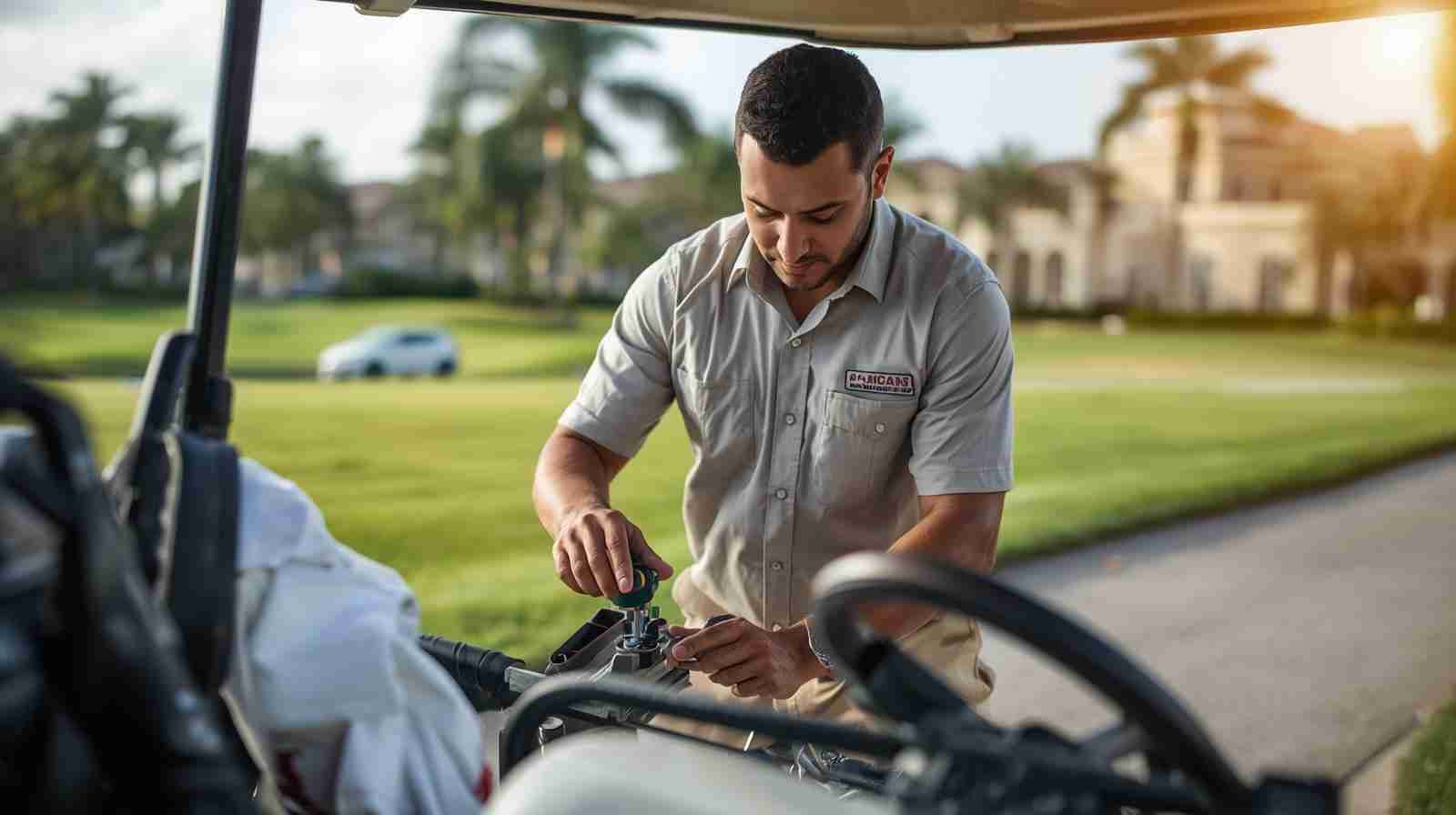
If you are asking are denago golf carts good, the short answer is yes for many buyers, but only if the exact cart, warranty, and local service network line up with your needs. Denago appears to position its carts as premium electric golf carts and low speed vehicles, and the feature list can be attractive. Still, the better question is not just whether the brand looks good on paper, but whether the specific model, VIN, dealer setup, and recall status make sense for your use case.
That matters in Southwest Florida, where golf carts are often used for neighborhood travel, community errands, and regular outdoor driving. A cart that looks impressive in a showroom can still be a frustrating ownership experience if service support is weak, the warranty is unclear, or the vehicle is not the right fit for your roads and driving habits. If you are comparing options in the region, it is smart to think beyond the spec sheet and also consider maintenance access such as golf cart repair port charlotte fl when service needs come up.
One more practical point: Denago models can vary, and published features can change without notice. That means a cart with a similar model name may not have the same battery, motor output, suspension, or electronics as another unit. Before you buy, check the exact build sheet, the warranty document, and the VIN.
What Denago Seems To Do Well
Denago's lineup has drawn attention because it combines modern styling with lithium battery technology and a long list of convenience features. For buyers who want more than a basic golf cart, that can be a major plus. The brand's published lineup includes models such as CITY, Rover XL, Nomad XL, and Rover XL6, which suggests that Denago is trying to cover both neighborhood cruising and more utility focused needs.
The biggest strengths usually mentioned around Denago are not mysterious. They are the same things shoppers often want in a newer premium electric cart: lithium power, a comfortable ride, modern displays, and accessory friendly design. If those are your priorities, Denago can be worth a close look.
Feature rich design
Published specs for the CITY model include a 5 kW to 6.3 kW AC motor, a 51.2V 205Ah LiFePO4 battery, a claimed 40 plus mile range, Apple CarPlay, Android Auto, four wheel disc brakes, and independent front and rear suspension. That is an eye catching list, especially for buyers who want a cart that feels closer to a small road legal vehicle than a simple golf machine.
Those features can improve day to day usability, especially if you use the cart often. A lithium battery can reduce some of the routine maintenance associated with older lead acid setups, and modern infotainment or display features may make the cart feel more complete. Suspension and braking also matter because they affect comfort and confidence on neighborhood streets and bumpy pavement.
Potentially strong fit for local lifestyle use
In communities where carts are driven frequently, buyers often want a vehicle that is quiet, efficient, and comfortable for short trips. Denago's positioning suggests it is trying to serve that market. If your intended use is cruising to nearby amenities, running errands inside a planned community, or taking family rides on approved streets, a feature rich electric cart can be appealing.
That said, “good” is always relative. If you only need a cart for occasional golf course use, a simpler and less expensive option may be enough. If you want a cart that is packed with technology, Denago may offer more than a bare bones alternative, but you should still compare the real world details before buying.
Safety and compliance still come first
When a cart has stronger performance and more electronics, safety checks become even more important. Verify that brakes, lights, tires, seat belts, mirrors, and other required equipment are present and working as intended. Do not assume that a stylish cart automatically meets the legal requirements for every road or community.
For any electric or speed related questions, follow the manufacturer instructions and have adjustments handled by a qualified technician. Never bypass factory protections, defeat safety features, or modify the cart in a way that could make it unsafe or illegal.
What To Check Before You Buy A Denago
This is the most important section for deciding whether Denago is a good choice. A strong brand reputation means less than the actual unit in front of you. Two carts with the same model name can differ in important ways depending on production date, dealer configuration, and optional equipment.
Warranty details
Denago's website has stated warranty coverage that includes a lifetime warranty on the aluminum chassis, an 8 year warranty on the LiFePO4 battery, and a 2 year warranty on other major parts and components. Those terms may vary by model, dealer, and purchase date, so they should be checked in writing before any purchase. Do not rely on a verbal summary alone.
Ask for the full warranty document and read it carefully. Look for exclusions, required maintenance, claim procedures, and whether the warranty transfers if the cart is sold later. A good warranty on paper is only useful if you know what it covers and how to use it.
VIN and recall status
Denago EV Corporation is listed by NHTSA as a registered manufacturer, and NHTSA recall tools are the best way to check whether a specific Denago VIN has an open recall. That check is essential because the quality of an ownership experience can hinge on whether the exact cart has unresolved safety issues.
There have also been public third party recall summaries mentioning a 2026 Denago safety recall. The safest approach is to ignore summaries as a final answer and instead verify the actual vehicle by VIN in the official recall lookup tools. If you are shopping used, this step is especially important.
Local dealer and service support
Even a good golf cart can become a bad ownership experience if the local support path is weak. Denago says it has 400 plus dealers nationwide, but national coverage does not automatically mean your specific area has strong service, quick parts access, or a technician who knows the brand well.
For Southwest Florida shoppers, ask these questions before buying:
- Who performs warranty repairs locally?
- How quickly are parts typically available?
- Is the dealer factory authorized for your exact model?
- Can they diagnose battery, controller, and charging issues?
- Will they support both warranty work and out of warranty service?
If the answer to those questions is vague, the cart may still be good, but ownership could be more stressful than expected.
How it compares to your needs
Denago may be a smart choice for buyers who prioritize comfort, modern features, and lithium power. It may be less compelling for someone who wants a very basic cart, a simpler maintenance routine, or a used vehicle with an established local parts ecosystem. The right choice depends on how you plan to use the cart and how much service support you need after the sale.
Comparison: A Denago cart may appeal more to buyers who want a modern, feature heavy lithium model, while a simpler cart may appeal more to buyers who want fewer electronics, lower complexity, and easier long term service decisions. Neither approach is universally better; the better value depends on your priorities and local support.
| Buyer priority | Denago may be a good fit when | Potential downside to consider |
|---|---|---|
| Modern features | You want Apple CarPlay, Android Auto, premium styling, and a long feature list | More electronics can mean more systems to diagnose if something goes wrong |
| Battery technology | You want lithium power and a lower maintenance battery setup than older lead acid carts | Battery replacement cost and warranty terms should be confirmed in writing |
| Ride quality | You value suspension, braking, and a more refined feel for neighborhood use | Real world comfort can vary by model, tire setup, and dealer configuration |
| Service support | You have a strong authorized dealer and repair path near your home | Weak service coverage can turn a good cart into a frustrating ownership experience |
| Legal use | You understand local street legal rules and plan to use the cart within them | Some roads, neighborhoods, and communities have restrictions that must be followed |
What to inspect on the actual cart
Before signing anything, inspect the vehicle closely or have a technician do it. Focus on the basics first, then the technology. A thorough inspection can reveal whether the cart has been assembled well and whether the dealer has completed setup correctly.
- Check steering feel and alignment
- Test brakes at low speed in a safe area
- Confirm lights, signals, horn, and displays work properly
- Inspect tire condition and wheel fitment
- Review battery charging behavior and charger compatibility
- Look for squeaks, rattles, loose trim, or poor panel fit
- Verify the VIN matches the paperwork and warranty records
If you want a broader buying checklist, the guide on common golf cart problems can help you understand the kinds of issues that often show up across different brands and model types.
Frequently Asked Questions
Are Denago golf carts reliable?
They can be reliable for some owners, but reliability is best judged by the exact model, the build quality of the individual unit, and the quality of local service. Mixed owner chatter suggests experiences vary. That is why checking the VIN, warranty, and dealer support is so important.
Are Denago golf carts street legal?
Some Denago carts may be configured as low speed vehicles or neighborhood vehicles, but street legal status depends on the exact model, required safety equipment, local laws, and how the cart is registered and used. Always verify state, county, city, and community rules before driving on public roads.
How long does a Denago lithium battery last?
Battery life depends on use, charging habits, climate, storage conditions, and maintenance. Denago has stated an 8 year warranty on the LiFePO4 battery in some cases, but warranty coverage is not the same as actual battery life. Follow charging instructions and avoid unsafe modifications.
Should I buy a new or used Denago cart?
New may make sense if you want the newest features, a clean warranty situation, and clearer service records. Used may make sense if the price is attractive, but you should inspect the cart carefully, confirm the VIN, and check for open recalls and battery condition before buying.
What should I ask a dealer before buying?
Ask about the exact model build, warranty terms, recall status, local service options, parts availability, charging equipment, and whether the cart is set up for your intended use. The more specific the answers, the easier it is to judge whether the cart is a good fit.